Cultural Artifacts

Each artifact tells a story that spans thousands of years. Explore the masterworks that define Chinese civilization.

AllBronzePaintingJadeCeramicsGoldWeaponsSculpture
Ad Space
Along the River During the Qingming Festival
Northern Song Dynasty

Painting

Along the River During the Qingming Festival

One of the most celebrated paintings in the entire history of Chinese art — a panoramic masterpiece capturing daily life along the Bian River during the Qingming Festival in the Song Dynasty capital of Kaifeng.

The Palace Museum
Bronze Standing Figure
Late Shang Dynasty

Bronze

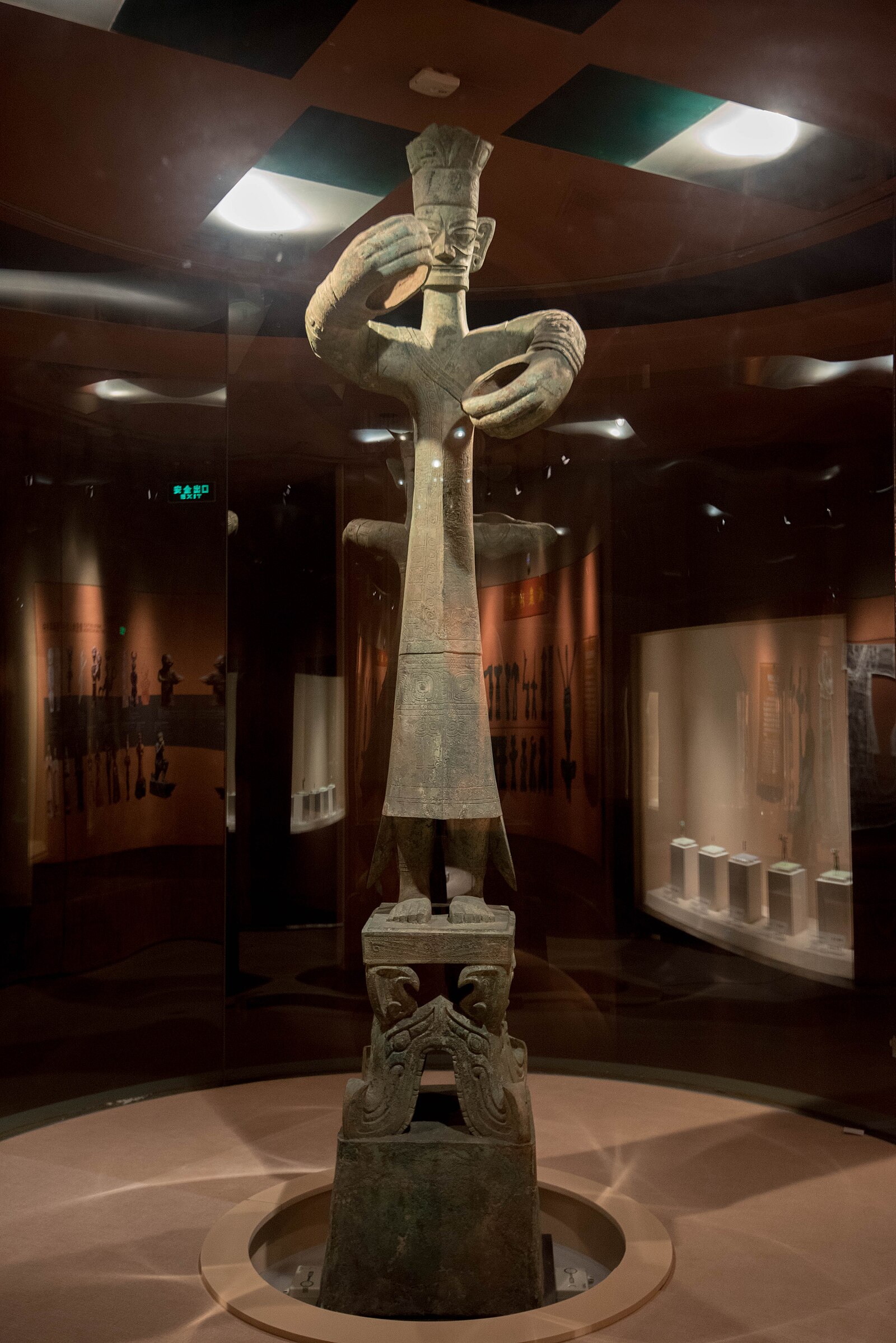
Bronze Standing Figure

The tallest and oldest known bronze statue in the world — a 2.62-meter enigmatic figure with enormous hands, seemingly grasping something now lost to time.

Sanxingdui Museum
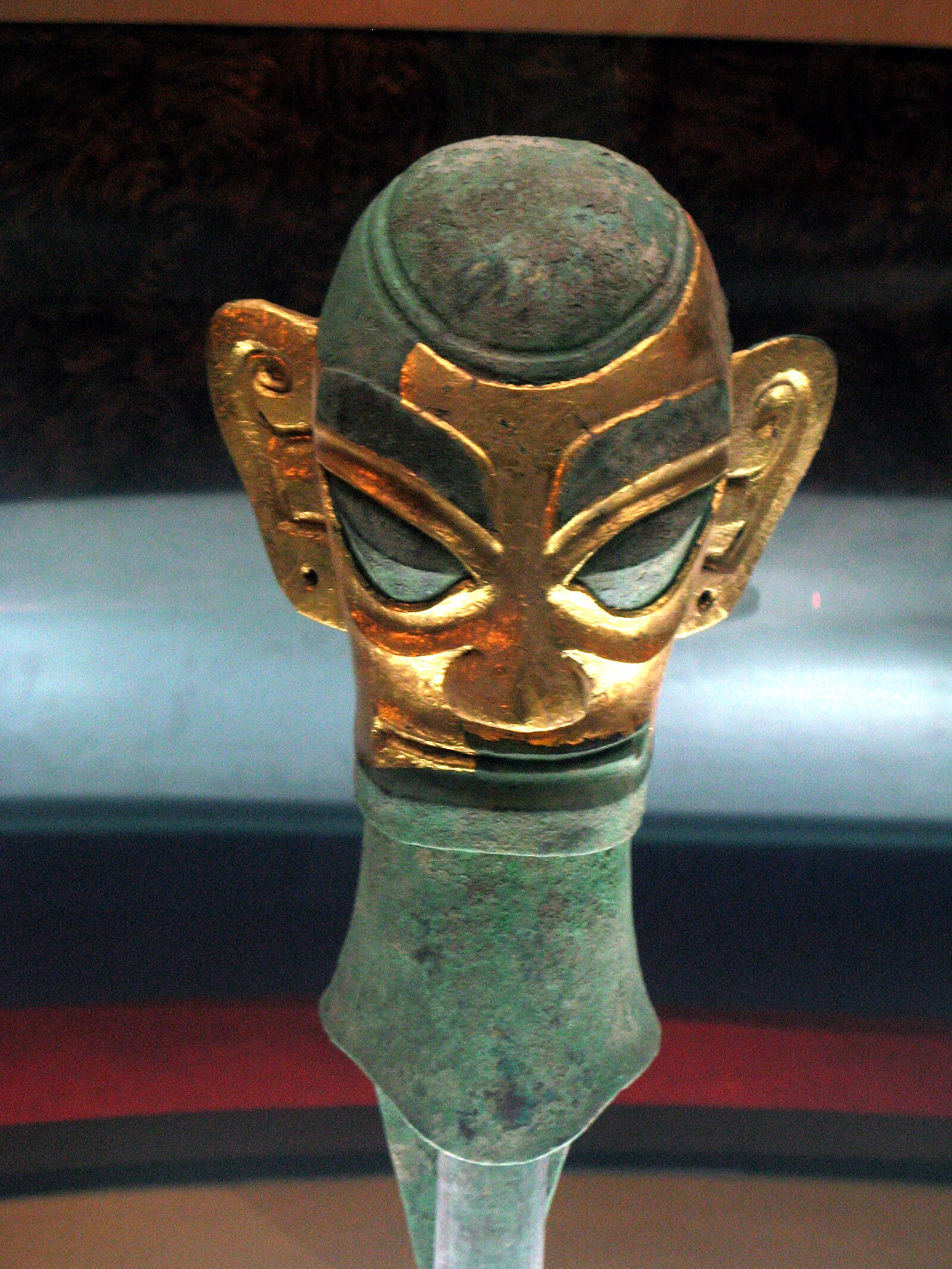
Gold Mask of Sanxingdui
Late Shang Dynasty

Gold

Gold Mask of Sanxingdui

A hauntingly beautiful gold mask weighing about 280 grams, with protruding eyes and an enigmatic smile that has captivated the modern world.

Sanxingdui Museum
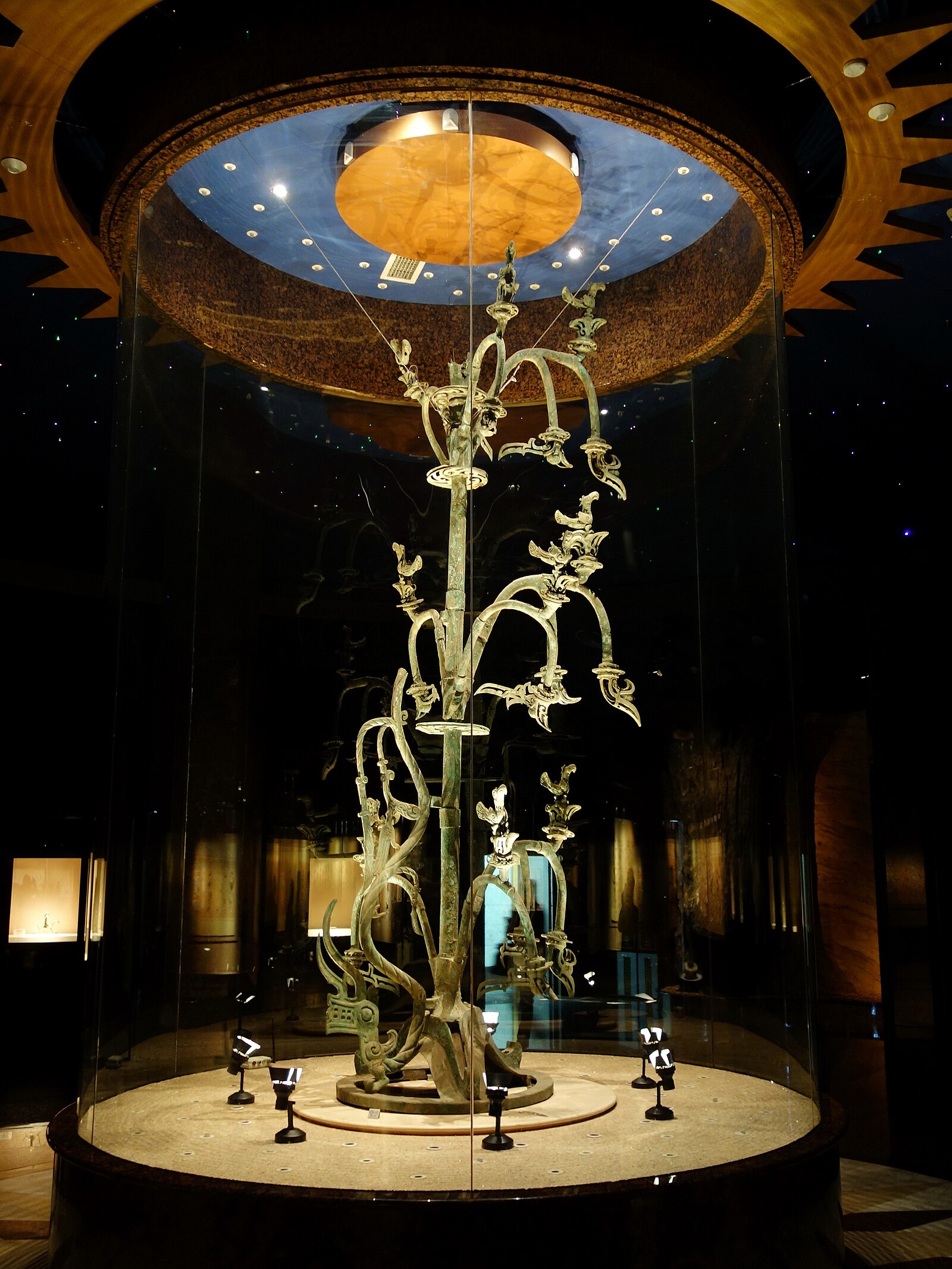
Sacred Bronze Tree
Late Shang Dynasty

Bronze

Sacred Bronze Tree

A nearly 4-meter tall bronze tree with birds, flowers, and a dragon — possibly representing the mythical Fusang Tree connecting heaven and earth.

Sanxingdui Museum
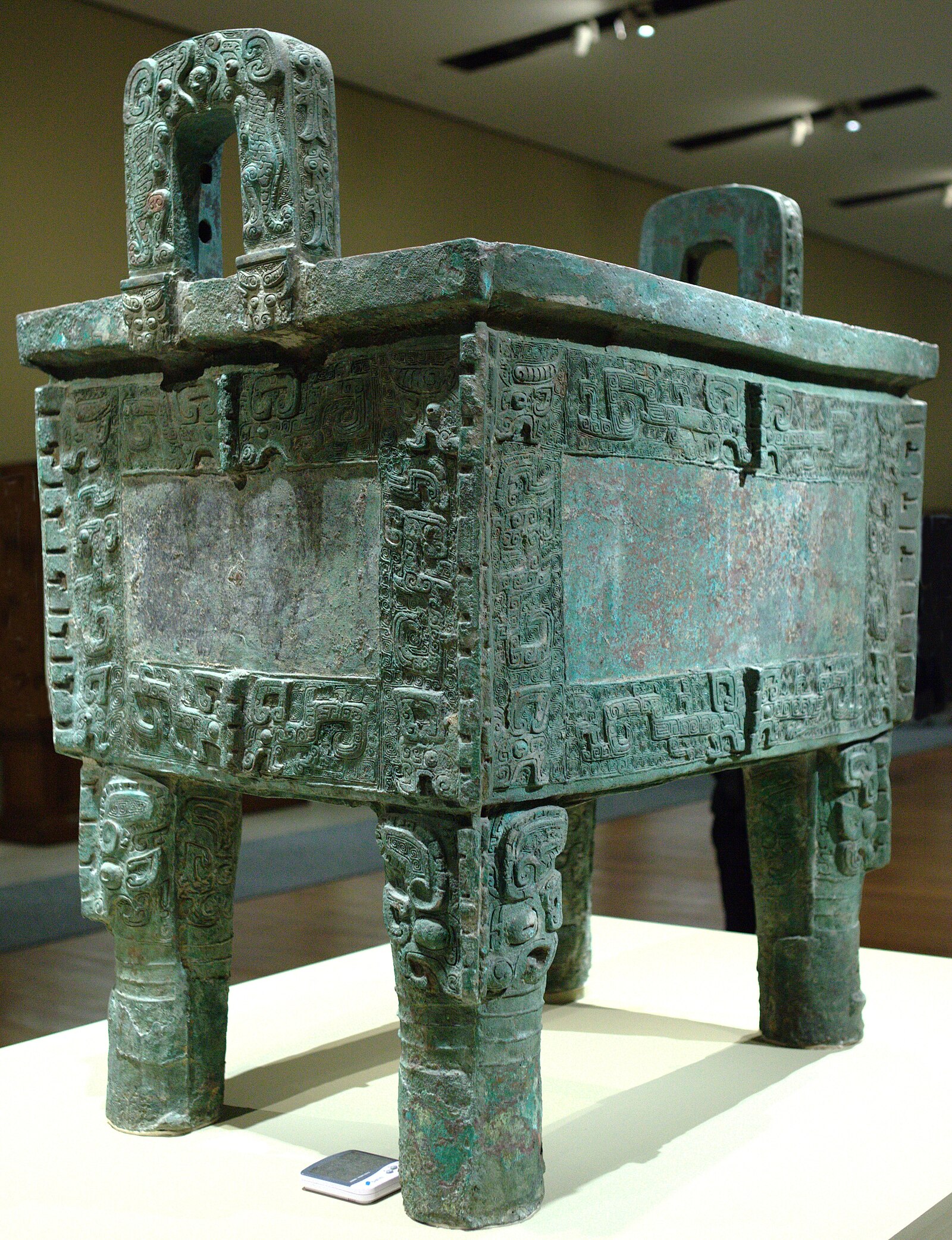
Simuwu Ding (Houmuwu Ding)
Late Shang Dynasty

Bronze

Simuwu Ding (Houmuwu Ding)

The heaviest piece of bronze work ever found in the ancient world — a monumental ritual vessel weighing 832.84 kg that required the coordinated effort of hundreds of craftsmen.

National Museum of China
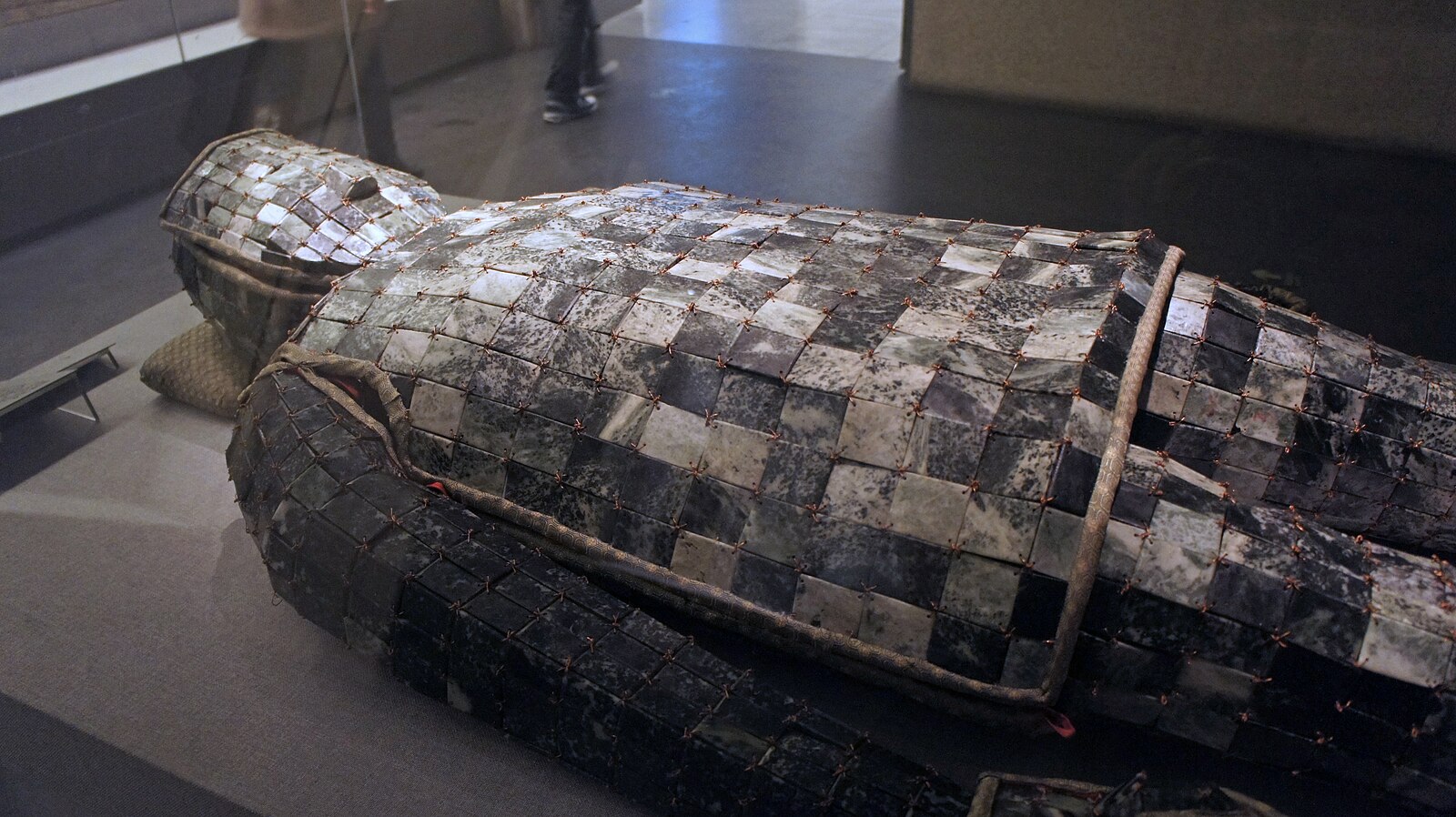
Jade Burial Suit of Prince Liu Sheng
Western Han Dynasty

Jade

Jade Burial Suit of Prince Liu Sheng

An entire suit made of 2,498 jade tiles sewn together with 1,100 grams of gold wire — built to grant immortality to a Han prince.

National Museum of China
Ad Space
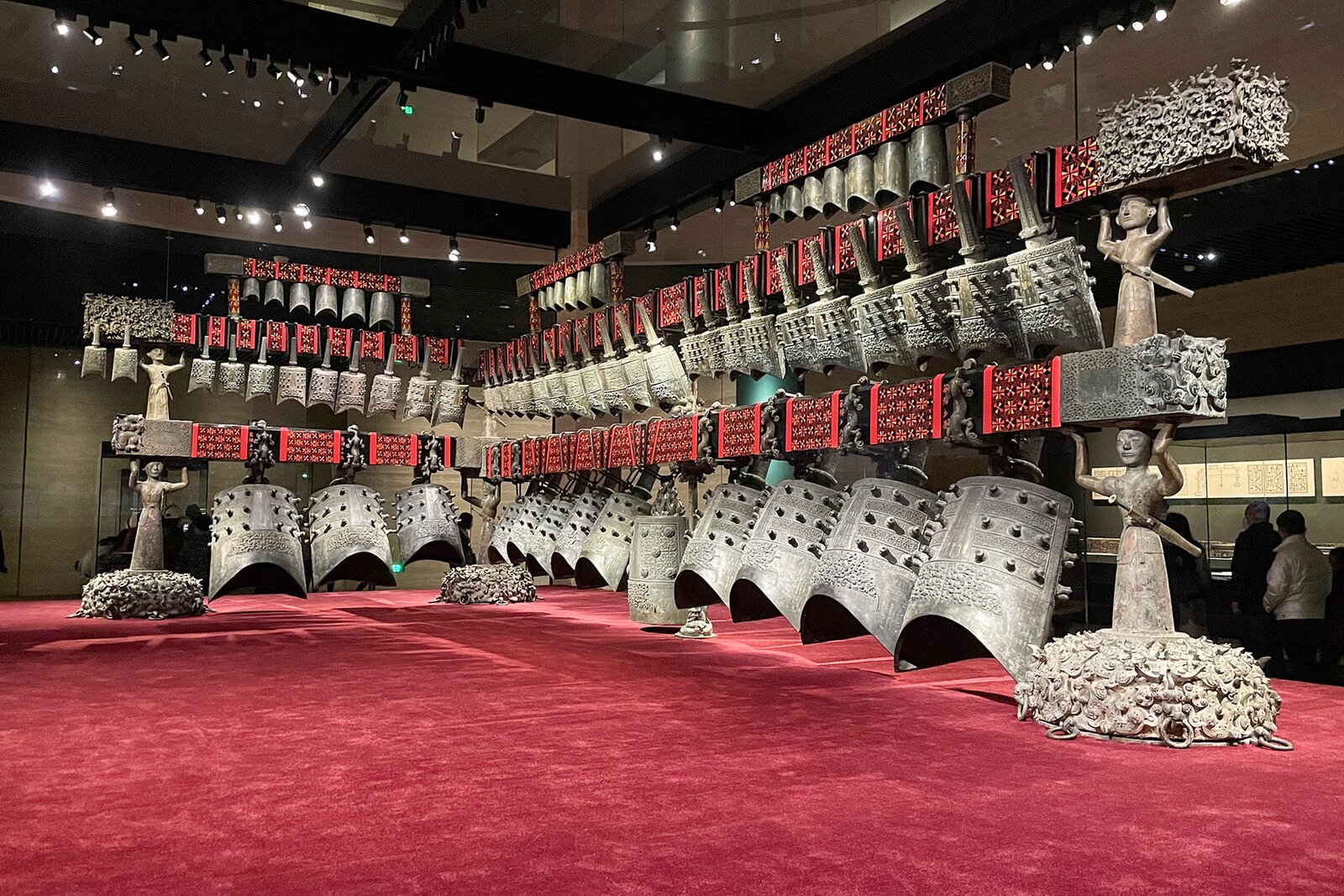
Bianzhong of Marquis Yi of Zeng
Warring States Period

Bronze / Musical Instrument

Bianzhong of Marquis Yi of Zeng

A set of 65 bronze bells that, after 2,400 years underground, can still produce music spanning five octaves with perfect tonal accuracy.

Hubei Provincial Museum
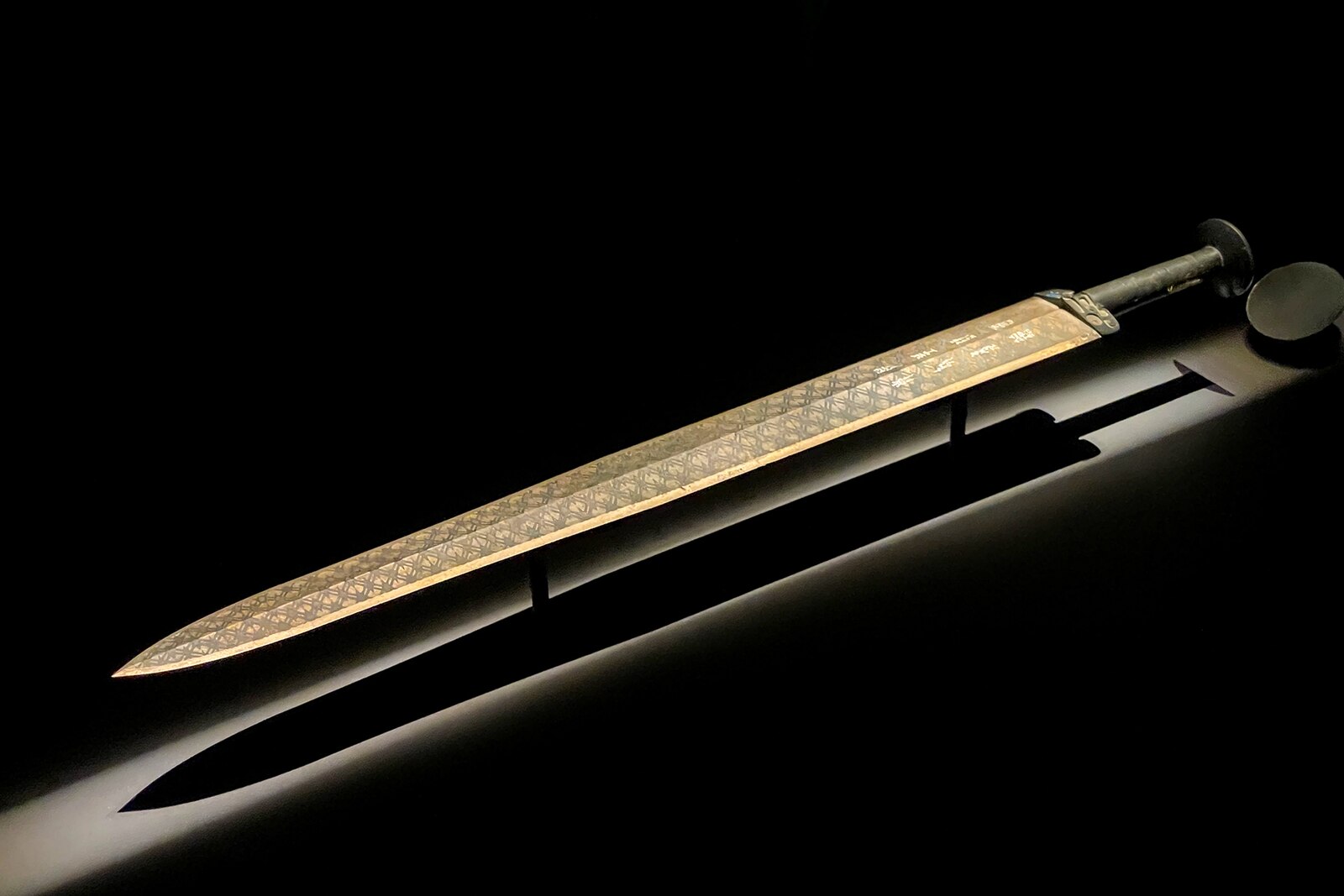
Sword of Goujian
Spring and Autumn Period

Weapons

Sword of Goujian

A 2,500-year-old sword found still razor-sharp and untarnished — a testament to ancient Chinese metallurgical genius.

Hubei Provincial Museum
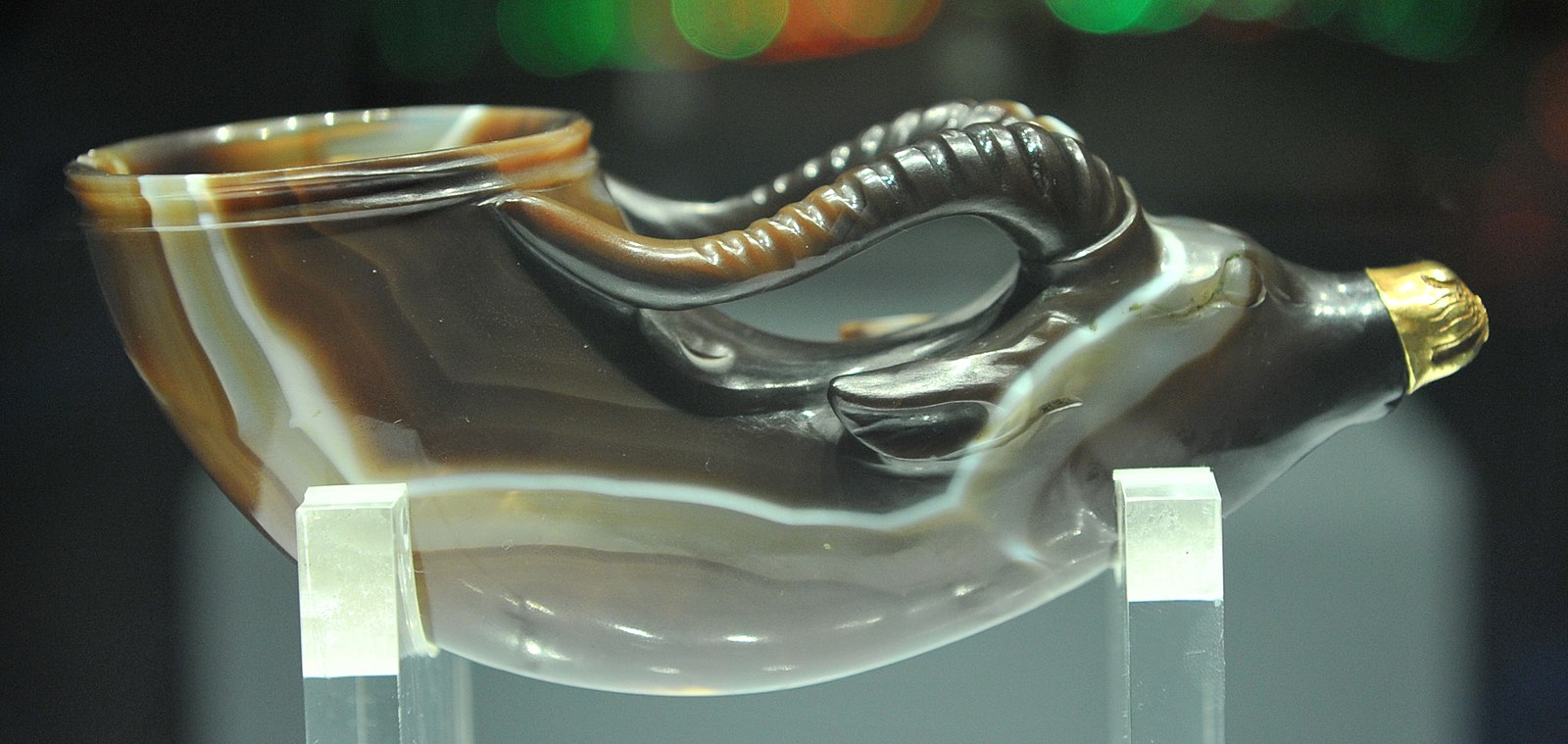
Beast-Head Agate Cup
Tang Dynasty

Jade & Gemstone

Beast-Head Agate Cup

An exquisite agate rhyton carved into a bull's head — a masterpiece reflecting the cultural fusion of the Silk Road's golden age.

Shaanxi History Museum
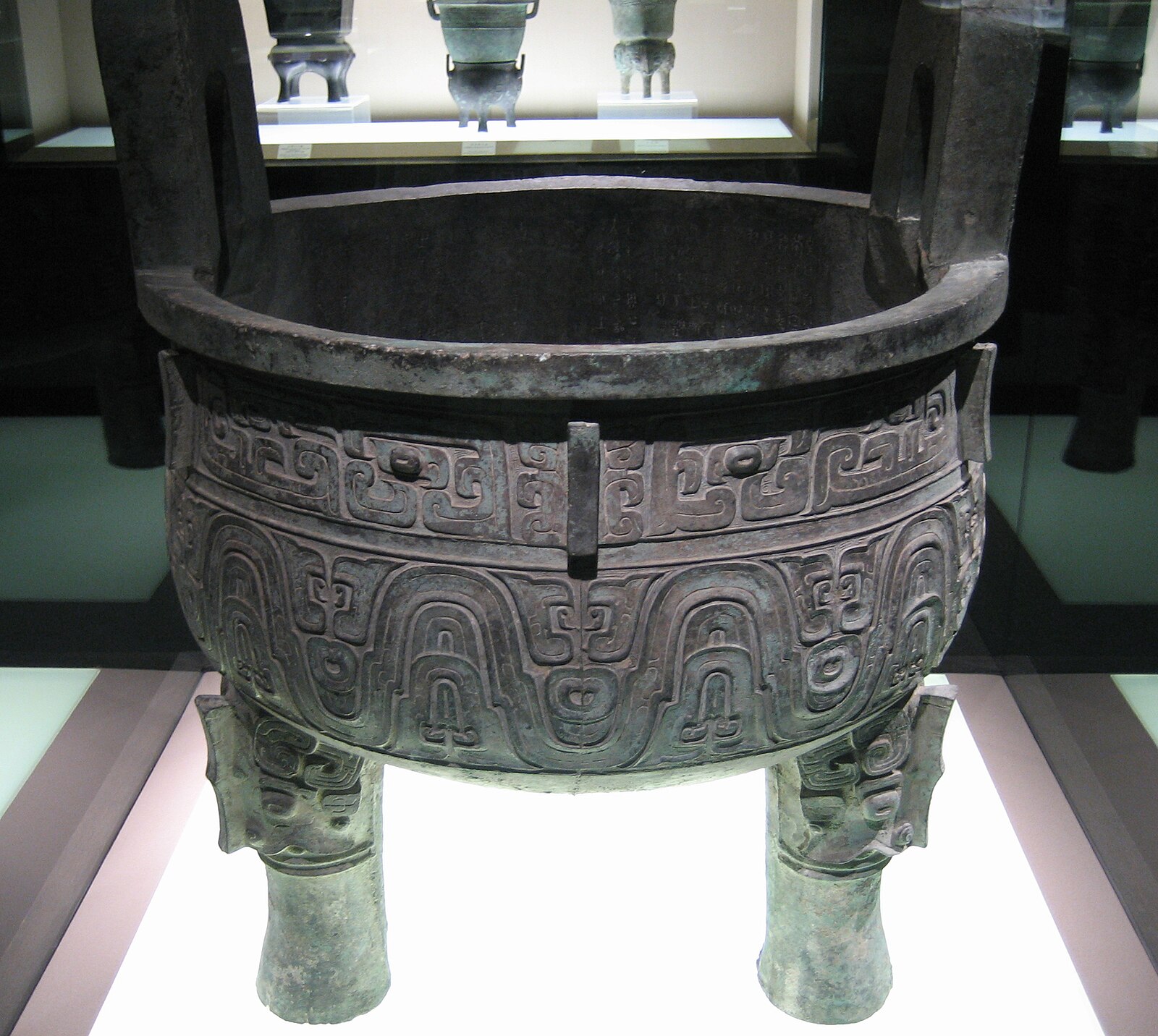
Da Ke Ding (Large Ke Tripod)
Western Zhou Dynasty

Bronze

Da Ke Ding (Large Ke Tripod)

One of the most important inscribed bronze vessels of the Western Zhou Dynasty, bearing 290 characters that document a key moment in Chinese feudal history.

Shanghai Museum
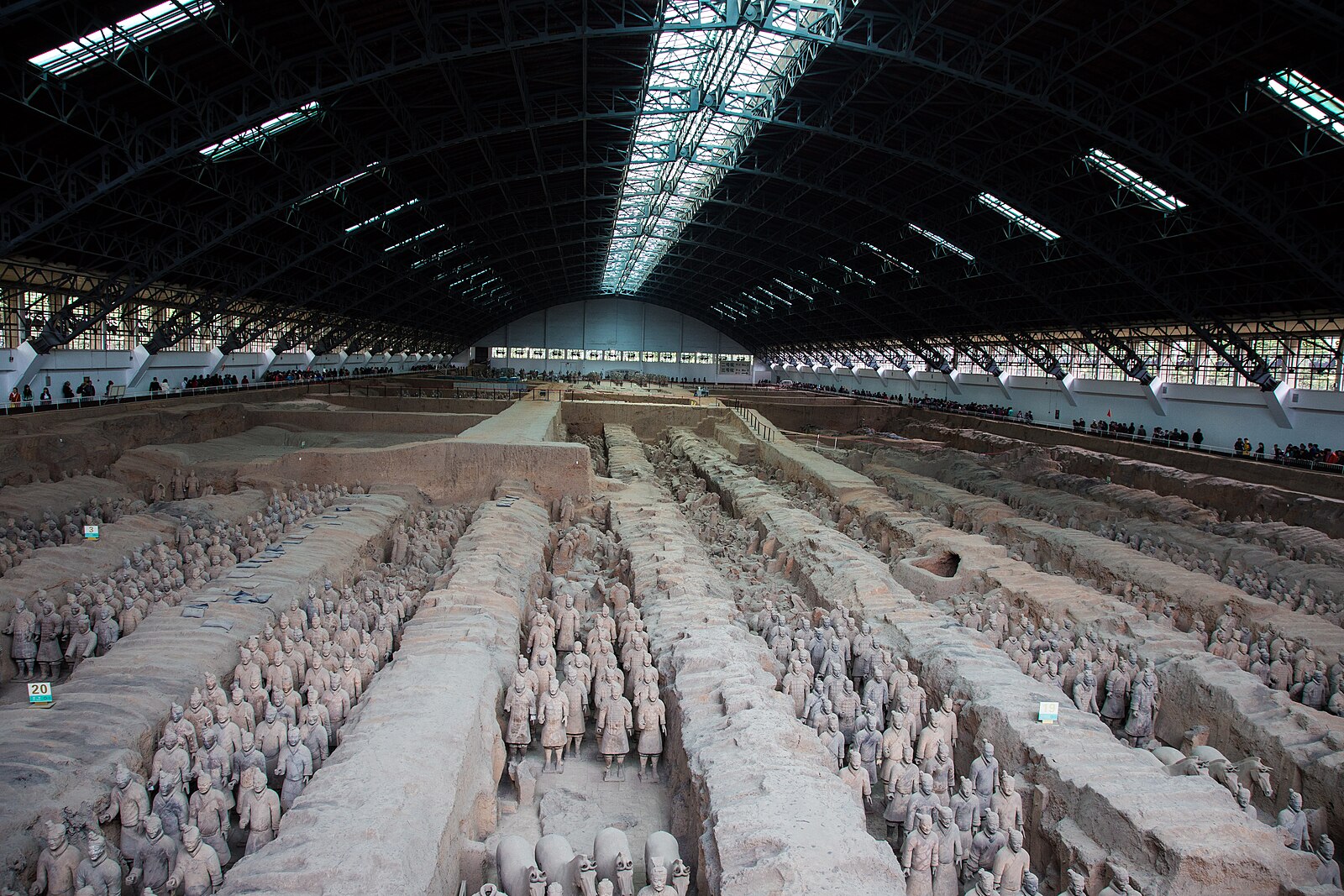
Terracotta Warriors
Qin Dynasty

Sculpture

Terracotta Warriors

An army of over 8,000 life-sized clay soldiers, each with unique facial features, built to guard China's first emperor in the afterlife.

Museum of Terracotta Warriors and Horses
Blue-and-White Porcelain Plum Vase (Xiao He Chases Han Xin)
Yuan Dynasty

Ceramics

Blue-and-White Porcelain Plum Vase (Xiao He Chases Han Xin)

The crown jewel of Yuan Dynasty porcelain — a meiping vase depicting the dramatic story of Xiao He's midnight chase to retrieve the brilliant general Han Xin.

Nanjing Museum
Ad Space
Hongshan Culture C-Shaped Jade Dragon
Neolithic (Hongshan Culture)

Jade

Hongshan Culture C-Shaped Jade Dragon

Often called China's first dragon, this 26-cm C-shaped jade figure is the most iconic artifact of the Hongshan Culture and a symbol of the prehistoric origins of dragon worship.

National Museum of China
Owl-Shaped Zun of Lady Fuhao
Late Shang Dynasty

Bronze

Owl-Shaped Zun of Lady Fuhao

A pair of owl-shaped bronze ritual wine vessels from the tomb of Lady Fuhao, the only archaeologically verified female military commander in Chinese history.

National Museum of China
Dunhuang Flying Apsara Mural (Cave 320)
Tang Dynasty

Painting

Dunhuang Flying Apsara Mural (Cave 320)

The iconic flying apsara (feitian 飞天) murals of the Mogao Caves — bodiless celestial figures trailing ribbons through clouds — represent the pinnacle of Buddhist cave art and China's most recognized mural tradition.

Dunhuang Research Academy (Mogao Caves)
Tang Sancai Three-Color Glazed Camel with Musicians
Tang Dynasty

Ceramics

Tang Sancai Three-Color Glazed Camel with Musicians

A tomb figurine depicting a Bactrian camel carrying a musical troupe — a masterpiece of Tang funerary art that captures the cosmopolitan energy of Silk Road trade in a single object.

National Museum of China
Nine-Dragon Wall of the Forbidden City
Qing Dynasty (Qianlong era)

Sculpture

Nine-Dragon Wall of the Forbidden City

A monumental wall of 270 glazed tiles depicting nine writhing dragons amid clouds and waves — one of only three surviving nine-dragon walls in China and the most visited architectural artwork in the Forbidden City.

The Palace Museum (Forbidden City)
Ru Ware Sky-Blue Lotus Bowl
Northern Song Dynasty

Ceramics

Ru Ware Sky-Blue Lotus Bowl

A nearly flawless example of Ru ware — the rarest and most prized ceramic type in all of Chinese art. Fewer than 90 pieces survive worldwide.

The Palace Museum (Forbidden City)
Ad Space
Changxin Palace Lamp
Western Han Dynasty

Bronze

Changxin Palace Lamp

A gilt-bronze lamp shaped as a kneeling court lady holding a lantern — simultaneously a functional smoke-filtering lamp, a portrait sculpture, and a masterpiece of Han Dynasty engineering and art.

Hebei Provincial Museum
Bronze Galloping Horse (Horse Treading on a Flying Swallow)
Eastern Han Dynasty

Bronze

Bronze Galloping Horse (Horse Treading on a Flying Swallow)

A galloping horse balanced on one hoof atop a flying swallow — China's official tourism logo since 1983 and one of the most dynamically engineered bronzes in world art history.

Gansu Provincial Museum
T-Shaped Silk Funeral Banner of Lady Dai
Western Han Dynasty

Painting

T-Shaped Silk Funeral Banner of Lady Dai

A 2,200-year-old painted silk banner from the tomb of Lady Dai (Xin Zhui) at Mawangdui — the finest surviving example of Han Dynasty painting and a cosmological map of heaven, earth, and the underworld.

Hunan Provincial Museum
Mawangdui Nested Lacquer Coffins of Lady Dai
Western Han Dynasty

Sculpture

Mawangdui Nested Lacquer Coffins of Lady Dai

Four nested coffins — each more lavishly decorated than the last — that preserved Lady Dai's body for over 2,100 years in near-perfect condition, representing the pinnacle of Han Dynasty lacquer craftsmanship.

Hunan Provincial Museum
Yuanmingyuan Zodiac Bronze Fountain Heads
Qing Dynasty (Qianlong era)

Bronze

Yuanmingyuan Zodiac Bronze Fountain Heads

Twelve bronze animal heads from the zodiac fountain of the Old Summer Palace (Yuanmingyuan) — looted during the 1860 Anglo-French sacking and now the world's most famous symbols of Chinese cultural heritage repatriation.

National Museum of China (various holders)
Mawangdui Silk Manuscripts (Boshu)
Western Han Dynasty

Painting

Mawangdui Silk Manuscripts (Boshu)

Over 50 texts written on silk — including lost versions of the Dao De Jing, medical treatises, astronomical charts, and military maps — the single most important manuscript discovery in Chinese archaeology.

Hunan Provincial Museum
Ad Space
Dwelling in the Fuchun Mountains
Yuan Dynasty

Painting

Dwelling in the Fuchun Mountains

The greatest Chinese landscape painting ever created — a 7-meter handscroll by Yuan master Huang Gongwang that was burned in two in 1650 and remains divided between Taipei and Hangzhou to this day.

National Palace Museum (Taipei) / Zhejiang Provincial Museum
Admonitions of the Instructress to the Court Ladies
Eastern Jin Dynasty (Tang copy)

Painting

Admonitions of the Instructress to the Court Ladies

Attributed to Gu Kaizhi, this is the most important early Chinese figure painting in existence — a political allegory on virtue and female conduct that has been in the British Museum since 1903.

The British Museum
Nymph of the Luo River (Luo Shen Fu Tu)
Eastern Jin Dynasty (Song copies)

Painting

Nymph of the Luo River (Luo Shen Fu Tu)

A narrative scroll depicting the tragic love between the poet Cao Zhi and the goddess of the Luo River — one of the most romantic stories in Chinese literature and one of the most copied paintings in history.

The Palace Museum (Forbidden City)
Famen Temple Gilt Silver Tea Set
Tang Dynasty

Gold

Famen Temple Gilt Silver Tea Set

The world's oldest and most complete surviving tea set — a gilt silver service including grinder, sieve, container, salt cellar, and bowls — sealed in the Famen Temple crypt in 874 AD as an offering to the Buddha's finger bone relic.

Famen Temple Museum
Bronze Chariot and Horses of Qin Shi Huang
Qin Dynasty

Bronze

Bronze Chariot and Horses of Qin Shi Huang

Two half-life-size bronze chariots excavated near Qin Shi Huang's mausoleum — the most complex bronze vehicles ever found in ancient China, assembled from thousands of individually cast parts.

Emperor Qinshihuang's Mausoleum Site Museum
Sun Bird Gold Foil of Jinsha
Ancient Shu (Jinsha culture)

Gold

Sun Bird Gold Foil of Jinsha

A paper-thin gold ornament from the Jinsha site in Chengdu: four birds fly around a rotating sun, now adopted as the official logo of China Cultural Heritage.

Jinsha Site Museum
Ad Space
Oracle Bones of Yinxu
Late Shang Dynasty

Bone / Writing

Oracle Bones of Yinxu

The earliest substantial corpus of Chinese writing: divination inscriptions carved into bones and turtle shells at the Shang capital of Yinxu, recording royal questions about war, harvest, childbirth, weather, and ancestors.

Yinxu Museum
Leshan Giant Buddha
Tang Dynasty

Sculpture

Leshan Giant Buddha

A 71-meter seated Maitreya Buddha carved into a Sichuan cliff at the confluence of three rivers — the largest pre-modern stone Buddha in the world and a UNESCO World Heritage site.

Leshan Giant Buddha Scenic Area