Museums of China
From imperial palaces to modern exhibition halls, these institutions safeguard the material legacy of one of the world's oldest civilizations.
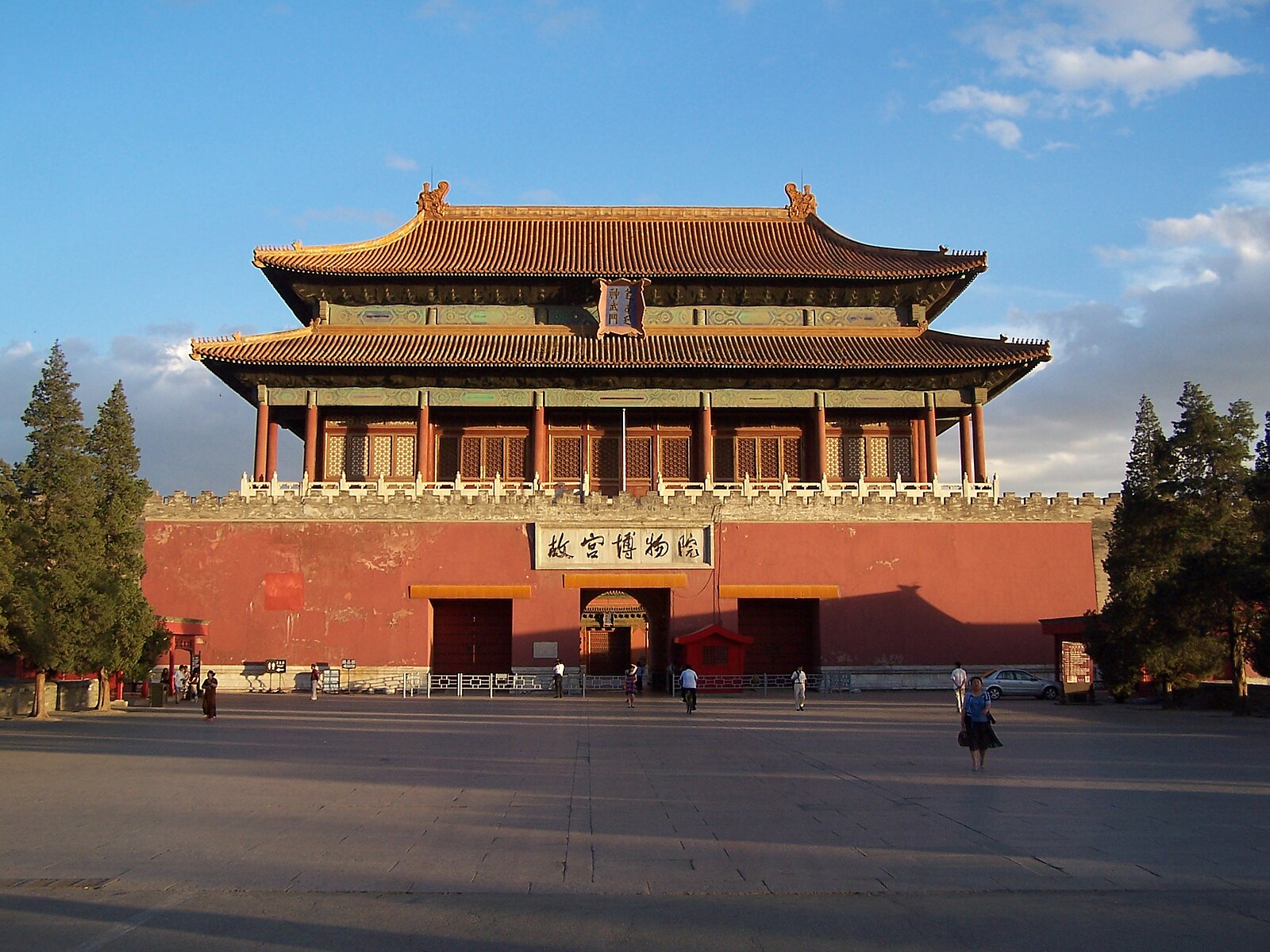
The Palace Museum (Forbidden City)
Home to the world's largest collection of preserved ancient wooden structures and imperial treasures spanning 600 years of Chinese history.
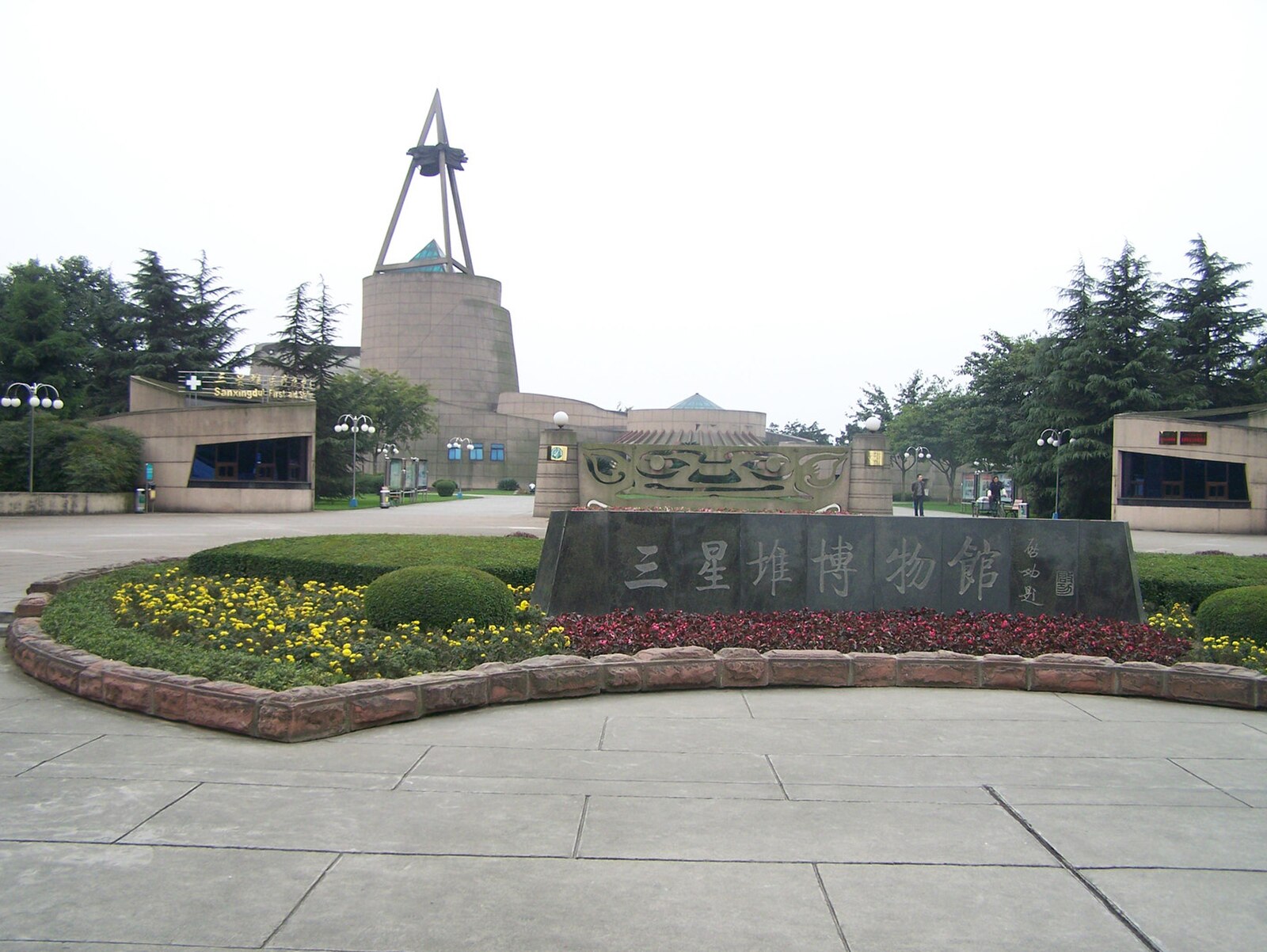
Sanxingdui Museum
A mysterious Bronze Age civilization that rewrites the history of ancient China, featuring enigmatic bronze masks and a towering bronze tree.
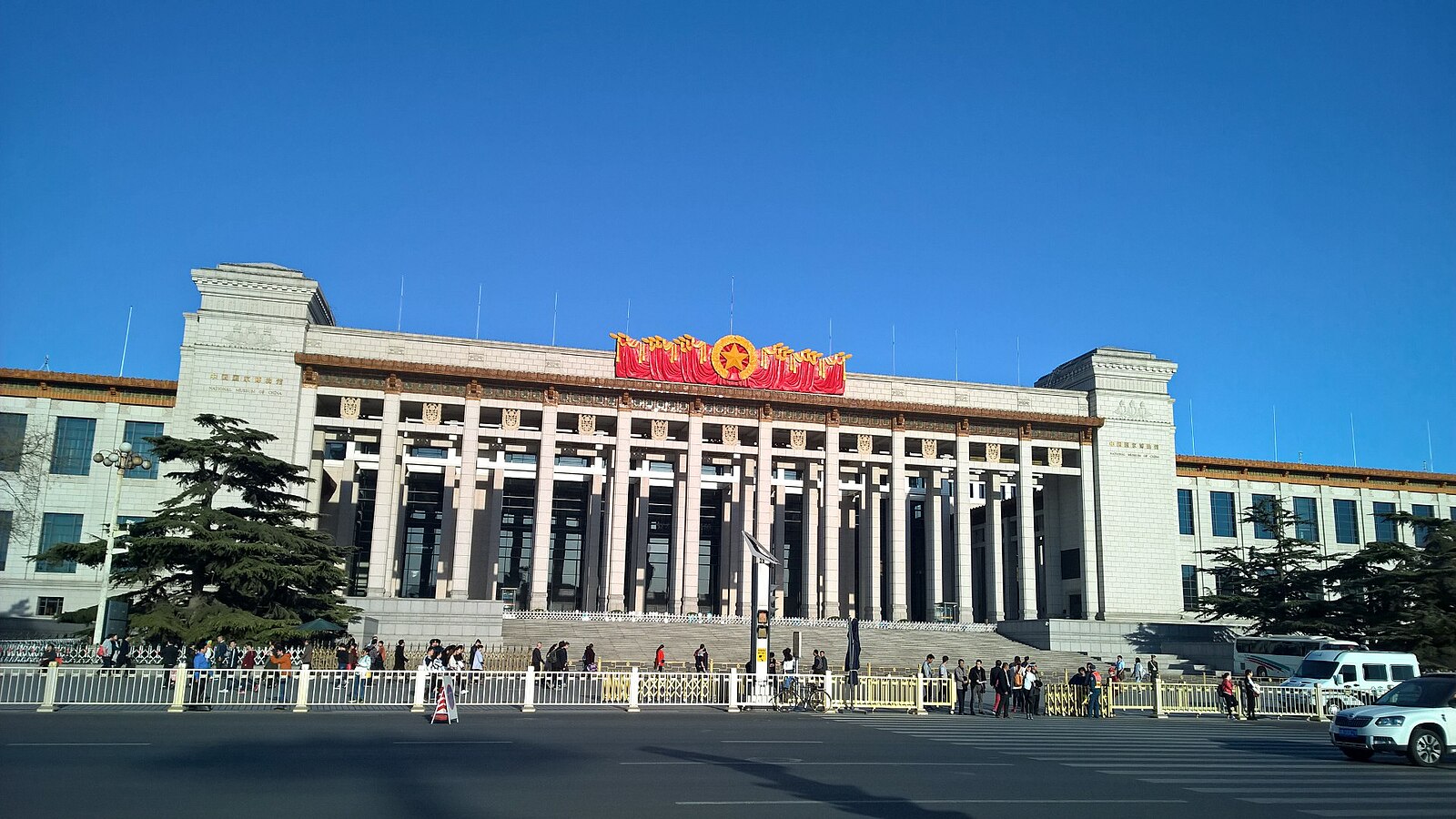
National Museum of China
The world's most visited museum, chronicling 5,000 years of Chinese civilization through over 1 million artifacts.
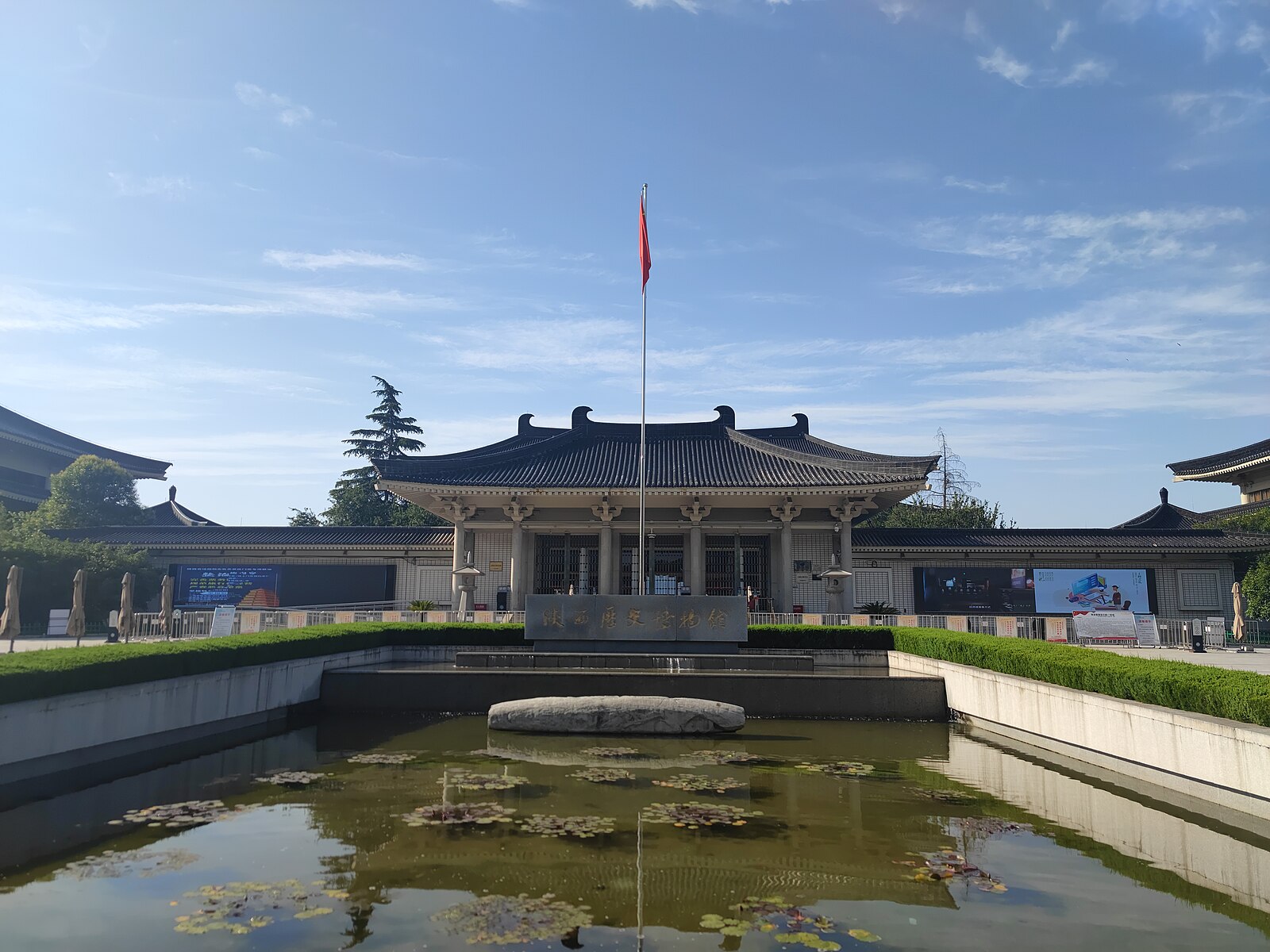
Shaanxi History Museum
Gateway to the ancient Silk Road, housing treasures from 13 dynasties that once called Xi'an their capital.
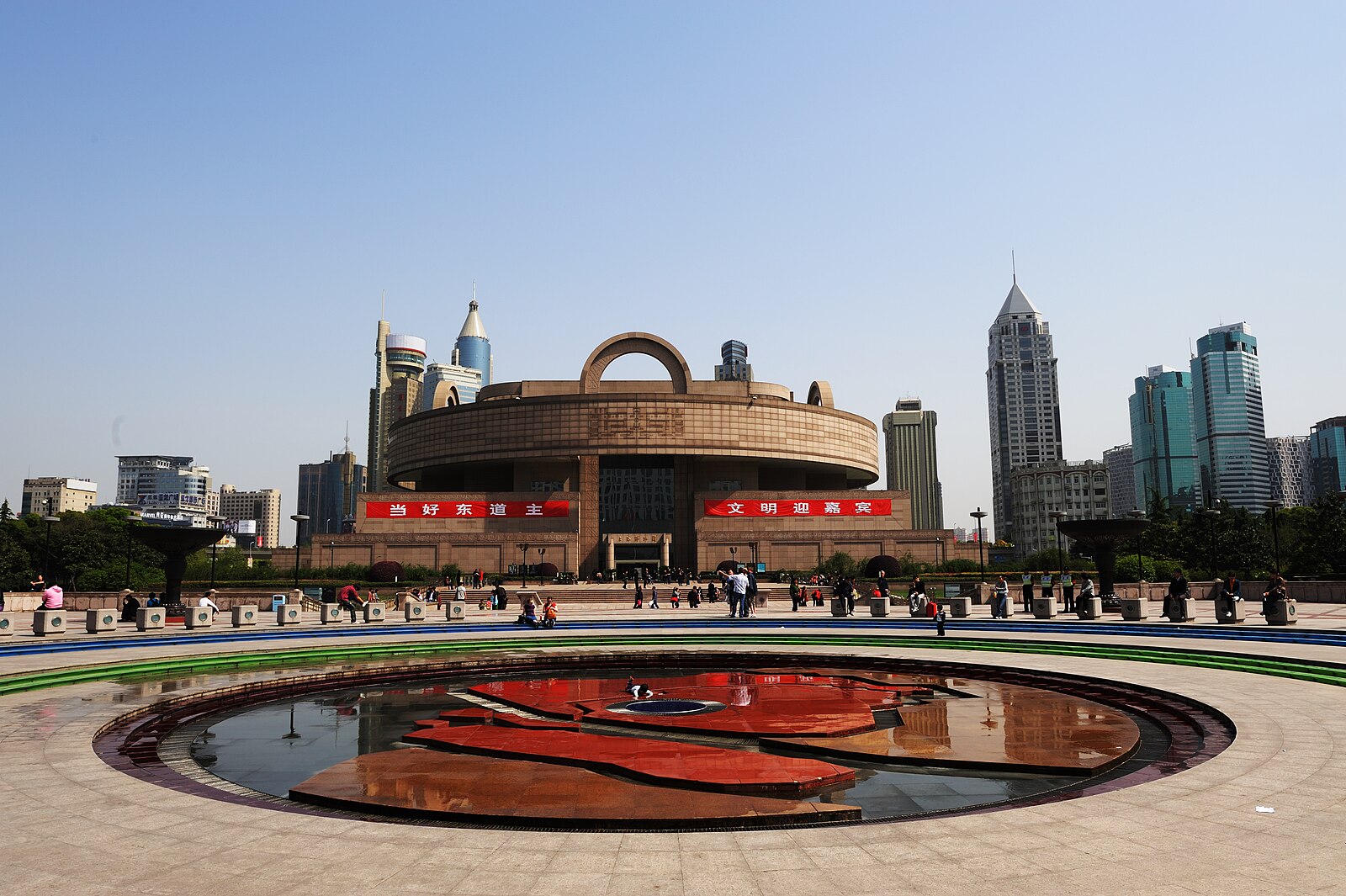
Shanghai Museum
One of China's finest museums of ancient art, renowned for its bronze, ceramics, calligraphy, and painting collections.
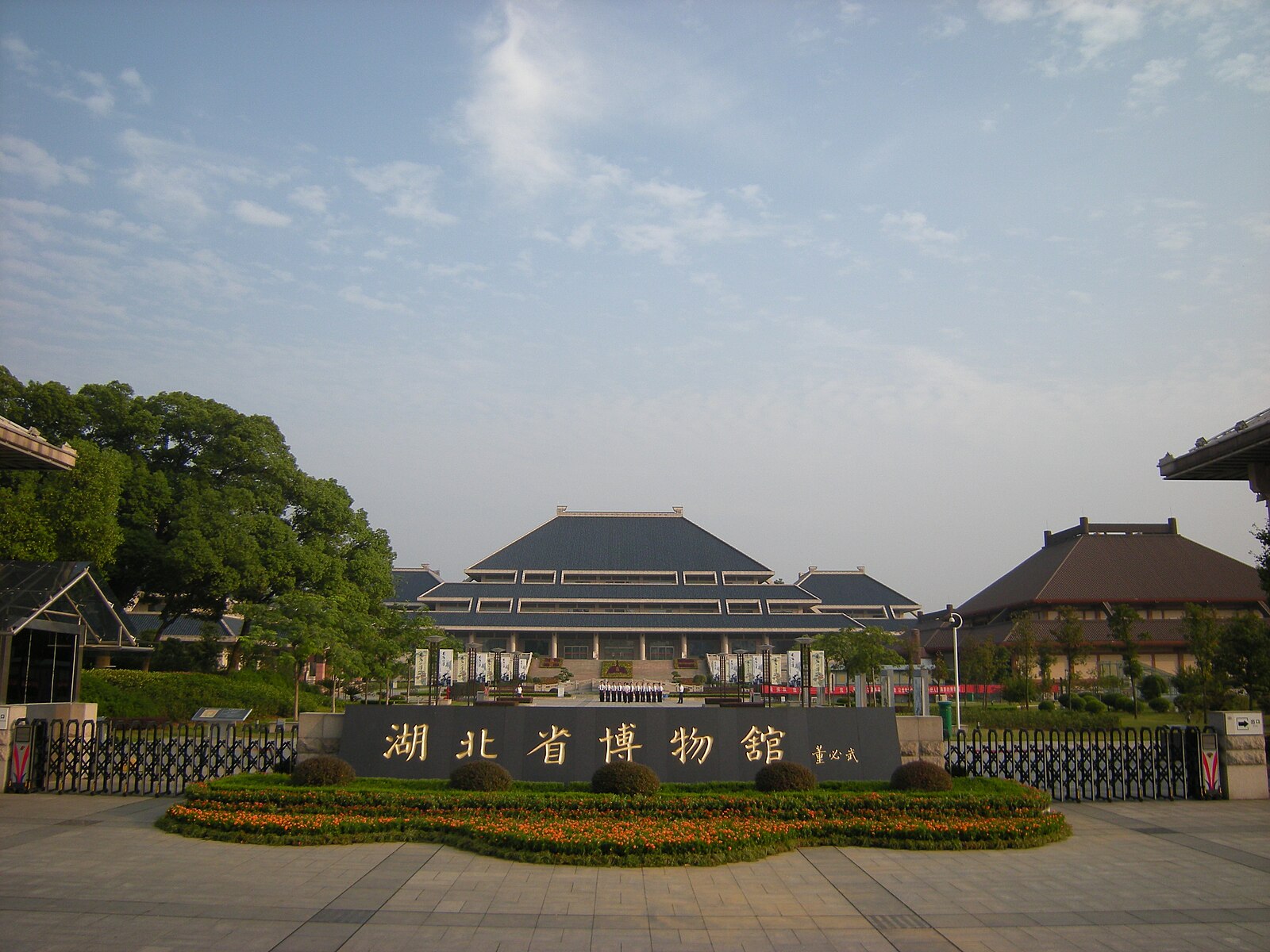
Hubei Provincial Museum
Home to the legendary Bianzhong of Marquis Yi of Zeng — a 2,400-year-old musical instrument that still plays today.
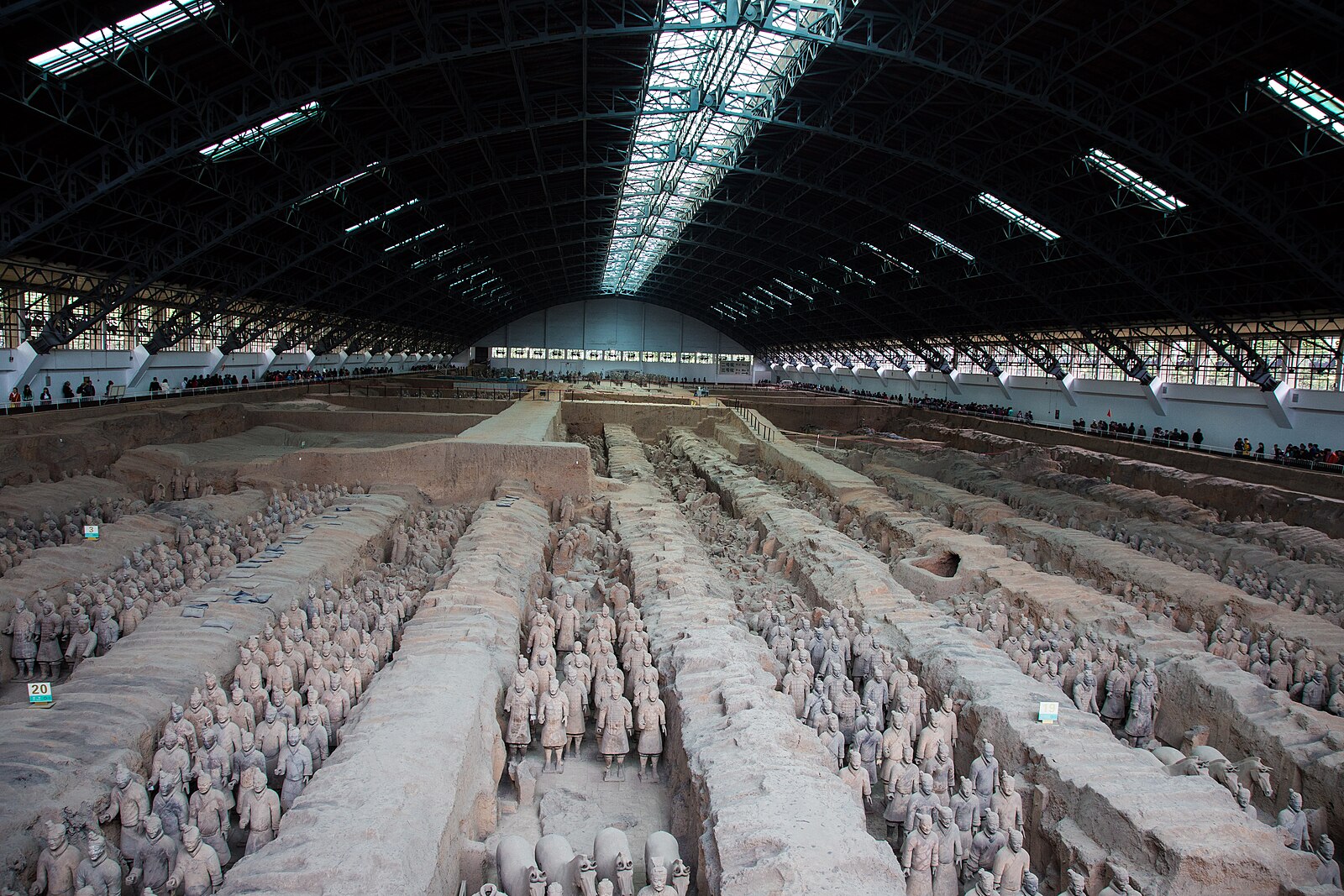
Museum of Terracotta Warriors and Horses
The legendary underground army of Emperor Qin Shi Huang — 8,000 life-sized warriors guarding China's first emperor for over 2,200 years.
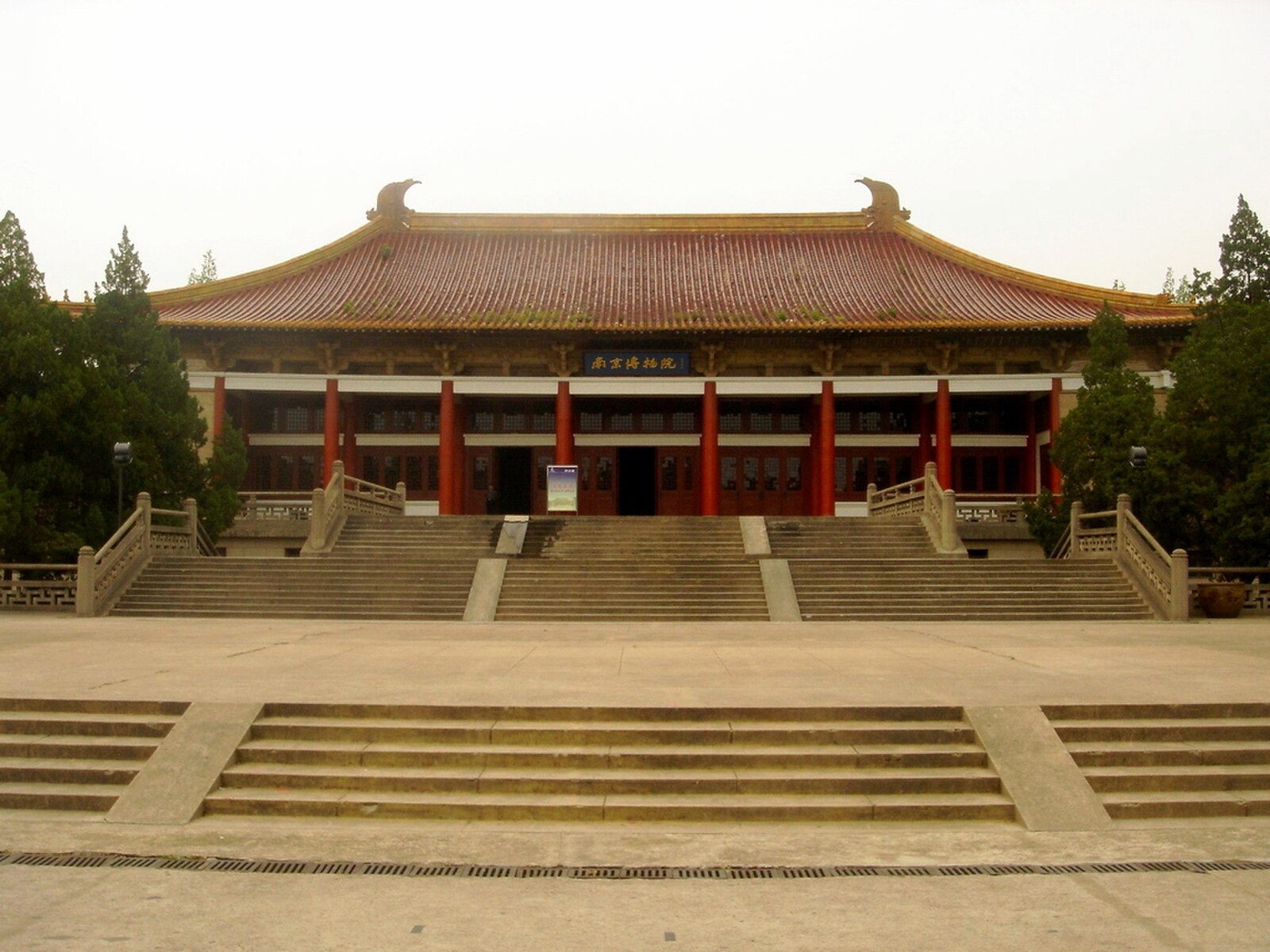
Nanjing Museum
One of China's three great museums, blending traditional and modern exhibition spaces across six specialized halls.

Dunhuang Research Academy (Mogao Caves)
The guardian institution of the Mogao Caves — 735 rock-cut grottoes containing over 45,000 sq meters of murals and 2,400+ painted sculptures spanning a millennium of Buddhist art along the Silk Road.

Hebei Provincial Museum
Home to treasures from the Mancheng Han tombs including the Changxin Palace Lamp and Jade Burial Suit of Prince Liu Sheng — Hebei's premier museum covers 5,000 years from prehistoric Cishan culture to modern times.

Gansu Provincial Museum
Home of the Bronze Galloping Horse (马踏飞燕) — China's official tourism symbol — plus major Silk Road artifacts, prehistoric painted pottery, and Tibetan Buddhist art from the Hexi Corridor.

Hunan Provincial Museum
Home of the legendary Mawangdui Han Tomb treasures — Lady Dai's perfectly preserved body, the T-shaped silk banner, lacquer coffins, and silk manuscripts that rewrote the history of early China.

Famen Temple Museum
Built around the Famen Temple crypt discovery, this museum preserves Tang Dynasty imperial Buddhist treasures including the Buddha finger bone relic, secret-color porcelain, silk textiles, and the world's oldest complete tea set.

Jinsha Site Museum
Built directly over the Jinsha archaeological site, this Chengdu museum preserves the Sun Bird gold foil, jade, ivory, and sacrificial remains of the ancient Shu civilization that followed Sanxingdui.

Yinxu Museum
The museum of the last Shang capital, preserving oracle bones, royal tomb finds, bronze ritual vessels, and the archaeological evidence behind China's earliest readable writing.

Leshan Giant Buddha Scenic Area
A UNESCO World Heritage landscape centered on the 71-meter Tang Dynasty Leshan Giant Buddha, carved into red sandstone cliffs where three rivers meet.

Science Museum, London
A major museum of science, technology, medicine, and global instruments, including Chinese geomantic compasses that document the material history of feng shui.