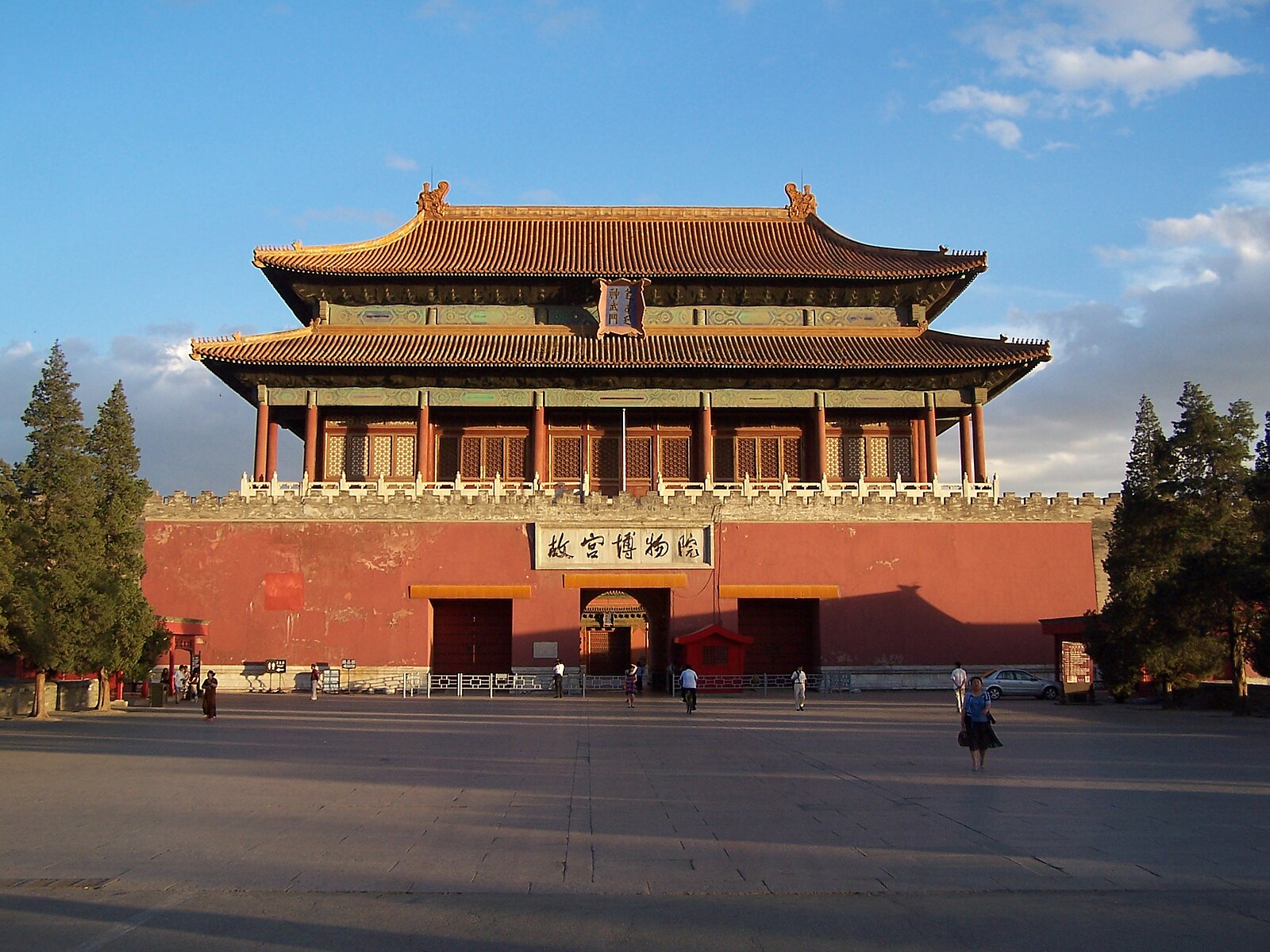
The Palace Museum (Forbidden City)
The Palace Museum, nestled within the Forbidden City, stands as the crowning jewel of Chinese imperial architecture. Built between 1406 and 1420, this UNESCO World Heritage Site houses over 1.8 million artifacts, making it one of the most comprehensive museums of Chinese art and culture in the world. Walking through its vermilion walls and golden-roofed halls, visitors traverse the living history of the Ming and Qing dynasties.
1,860,000
Collection items
Visit Information
- Opening Hours
- 8:30 AM - 5:00 PM (Closed Mondays)
- Admission
- CNY 60 (Apr-Oct) / CNY 40 (Nov-Mar)
- Website
- Official Site
Must-See Highlights
- •Along the River During the Qingming Festival
- •Erta King Jade Carving
- •Imperial Cloisonné Collection
Notable Artifacts at This Museum

Painting
Along the River During the Qingming Festival
One of the most celebrated paintings in the entire history of Chinese art — a panoramic masterpiece capturing daily life along the Bian River during the Qingming Festival in the Song Dynasty capital of Kaifeng.
Sculpture
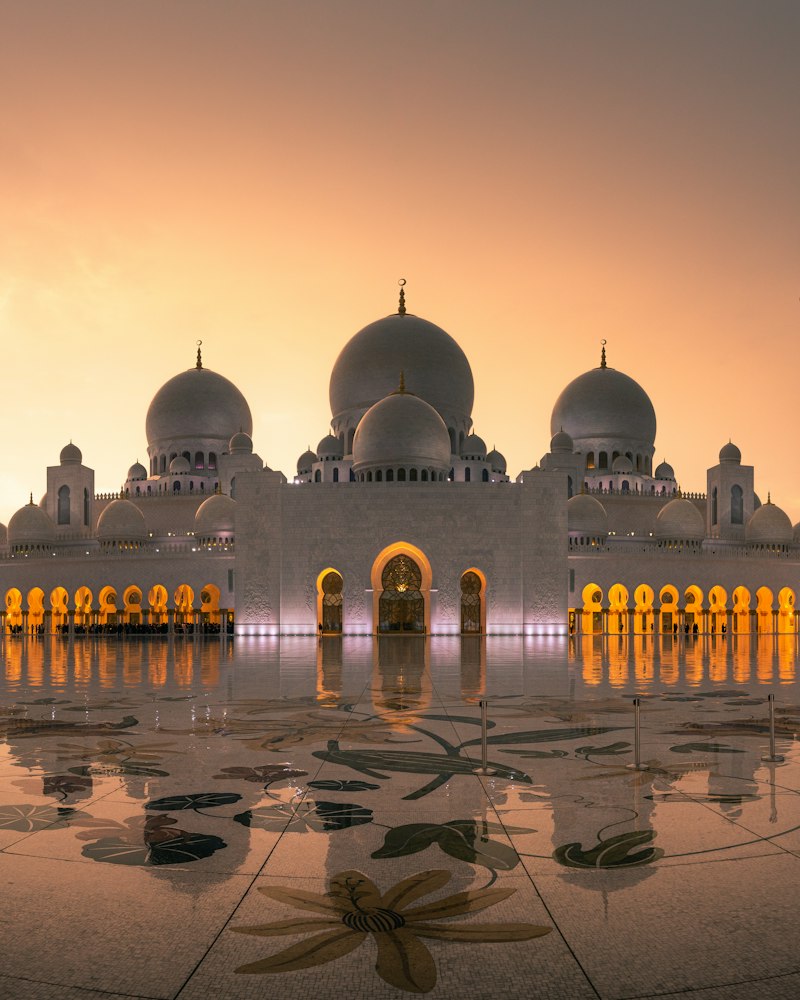
Nine-Dragon Wall of the Forbidden City
A monumental wall of 270 glazed tiles depicting nine writhing dragons amid clouds and waves — one of only three surviving nine-dragon walls in China and the most visited architectural artwork in the Forbidden City.
Ceramics
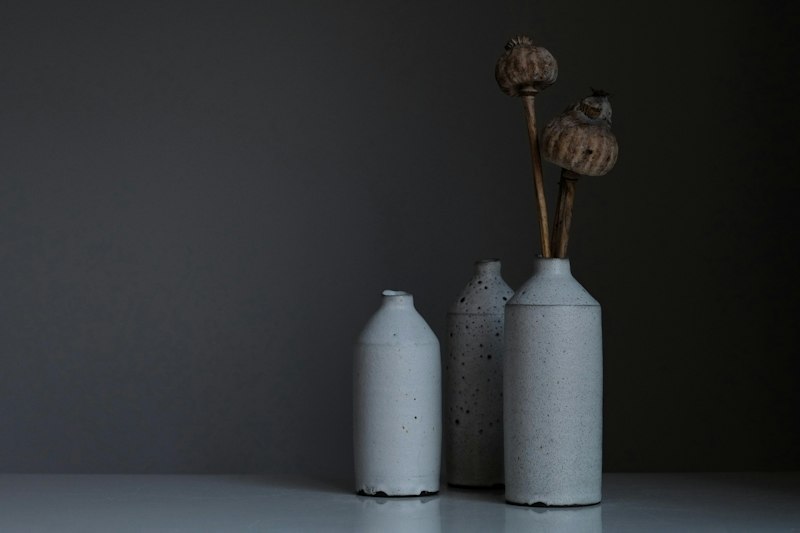
Ru Ware Sky-Blue Lotus Bowl
A nearly flawless example of Ru ware — the rarest and most prized ceramic type in all of Chinese art. Fewer than 90 pieces survive worldwide.

Painting
Dwelling in the Fuchun Mountains
The greatest Chinese landscape painting ever created — a 7-meter handscroll by Yuan master Huang Gongwang that was burned in two in 1650 and remains divided between Taipei and Hangzhou to this day.

Painting
Admonitions of the Instructress to the Court Ladies
Attributed to Gu Kaizhi, this is the most important early Chinese figure painting in existence — a political allegory on virtue and female conduct that has been in the British Museum since 1903.
Painting
Nymph of the Luo River (Luo Shen Fu Tu)
A narrative scroll depicting the tragic love between the poet Cao Zhi and the goddess of the Luo River — one of the most romantic stories in Chinese literature and one of the most copied paintings in history.