Along the River During the Qingming Festival
One of the most celebrated paintings in the entire history of Chinese art — a panoramic masterpiece capturing daily life along the Bian River during the Qingming Festival in the Song Dynasty capital of Kaifeng.

The Story
Painted by Zhang Zeduan, this extraordinary 5.28-meter-long scroll is a time machine to 12th-century China. It captures over 800 people, 28 boats, 60 animals, 30 buildings, 20 vehicles, 9 sedan chairs, and 170 trees in painstaking detail. From bustling marketplaces to serene riverbanks, from laboring porters to leisurely scholars, the painting presents an encyclopedic portrait of Song Dynasty urban life. The rainbow bridge at its center — a marvel of wooden engineering — has become one of the most iconic images in Chinese art. The painting was lost and rediscovered multiple times across a millennium, surviving wars, thefts, and imperial collapses.
Why It Matters
Considered the Chinese equivalent of the Mona Lisa in cultural importance, it provides the most detailed visual record of everyday life, commerce, and architecture in Song Dynasty China.
Frequently Asked Questions
1. What is Along the River During the Qingming Festival?
One of the most celebrated paintings in the entire history of Chinese art — a panoramic masterpiece capturing daily life along the Bian River during the Qingming Festival in the Song Dynasty capital of Kaifeng.
2. When was Along the River During the Qingming Festival made?
Along the River During the Qingming Festival dates to 12th century (c. 1085–1145), during the Northern Song Dynasty.
3. Where can I see Along the River During the Qingming Festival?
Along the River During the Qingming Festival is held by The Palace Museum, Beijing in China. Original Zhang Zeduan scroll Check the linked collection record or museum website before visiting because display rotations can change.
4. Why is Along the River During the Qingming Festival important?
Considered the Chinese equivalent of the Mona Lisa in cultural importance, it provides the most detailed visual record of everyday life, commerce, and architecture in Song Dynasty China.
5. What is Along the River During the Qingming Festival made of?
Along the River During the Qingming Festival is classified as painting and made of Ink and color on silk handscroll.
Fun Facts
Contains over 800 individually painted human figures
The painting has been copied, forged, and reimagined more than any other Chinese artwork
It was stolen at least 5 times throughout history
Modern scholars have used it to study Song Dynasty economics and urban planning
Where to See It
Public collections holding this artifact or closely related pieces.
In Popular Culture
Modern games, films, and TV shows that draw on this artifact.
The Connection
Multiple scenes reference Song and later dynasty paintings in the Palace Museum collection, with court art scenes directly modeled on historical scroll compositions.

The Connection
The show's market towns and bridges use a familiar Chinese pictorial grammar of crowded streets, shops, and river crossings that reaches back to Song urban scrolls.
The Connection
Court painting and calligraphy appear throughout the series as markers of cultivation and political alliance — the tradition of monumental scroll painting as imperial possession reaches back to the Song court.
Part of These Themes
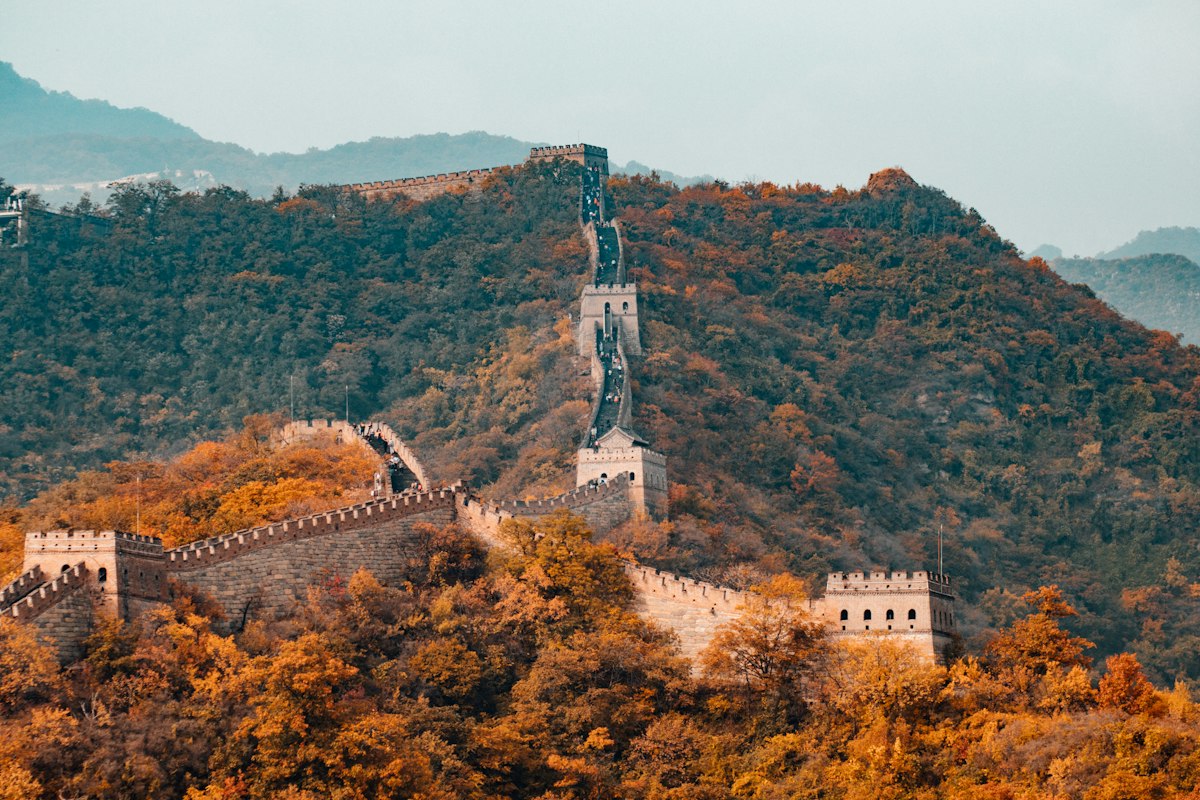
Imperial Power and Court Life
How objects made authority visible inside the palace
From bronze cauldrons and jade suits to porcelain vases and court paintings, imperial China turned objects into a language of rank, legitimacy, and ritual performance.
5 artifacts →
Music, Ritual, and Performance
Sound, ceremony, and spectacle from Bronze Age courts to Tang banquets
Ancient Chinese performance culture linked music, ritual, drinking, procession, and court display into a single sensory world preserved in bells, cups, paintings, and tomb goods.
4 artifacts →
Song City Life and Painting
Markets, bridges, scrolls, and the invention of urban China
The Song dynasty made everyday life worthy of monumental art. Its scrolls preserve streets, bridges, shops, boats, workers, and festival crowds with astonishing documentary density.
3 artifacts →
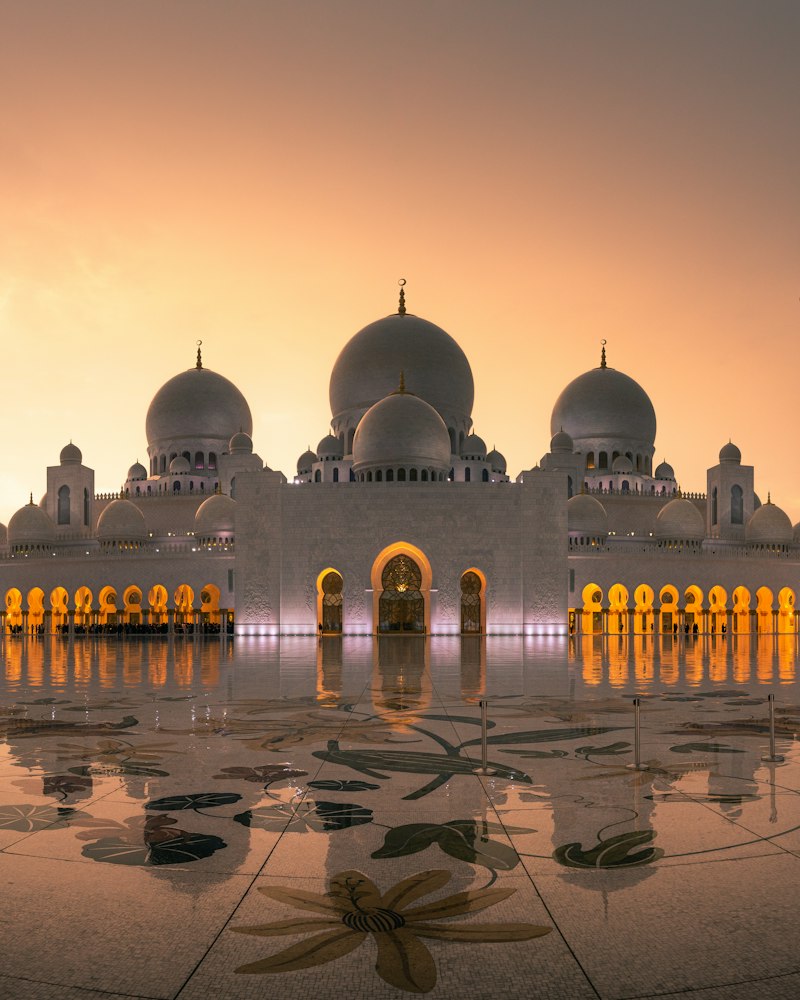
The Forbidden City & Imperial Collections
600 Years of Power, Art, and Architecture Behind Vermilion Walls
The Forbidden City held the imperial throne for 24 emperors across two dynasties and today houses 1.8 million artifacts — the most comprehensive collection of Chinese art and the world's most visited museum.
4 artifacts →

Lost Masterpieces of Chinese Painting
Burned Scrolls, Imperial Copies, and Divided Collections
China's most famous paintings often survive as copies, fragments, or politically charged treasures abroad — from the Admonitions Scroll in London to the divided halves of Dwelling in the Fuchun Mountains.
4 artifacts →
Related Artifacts
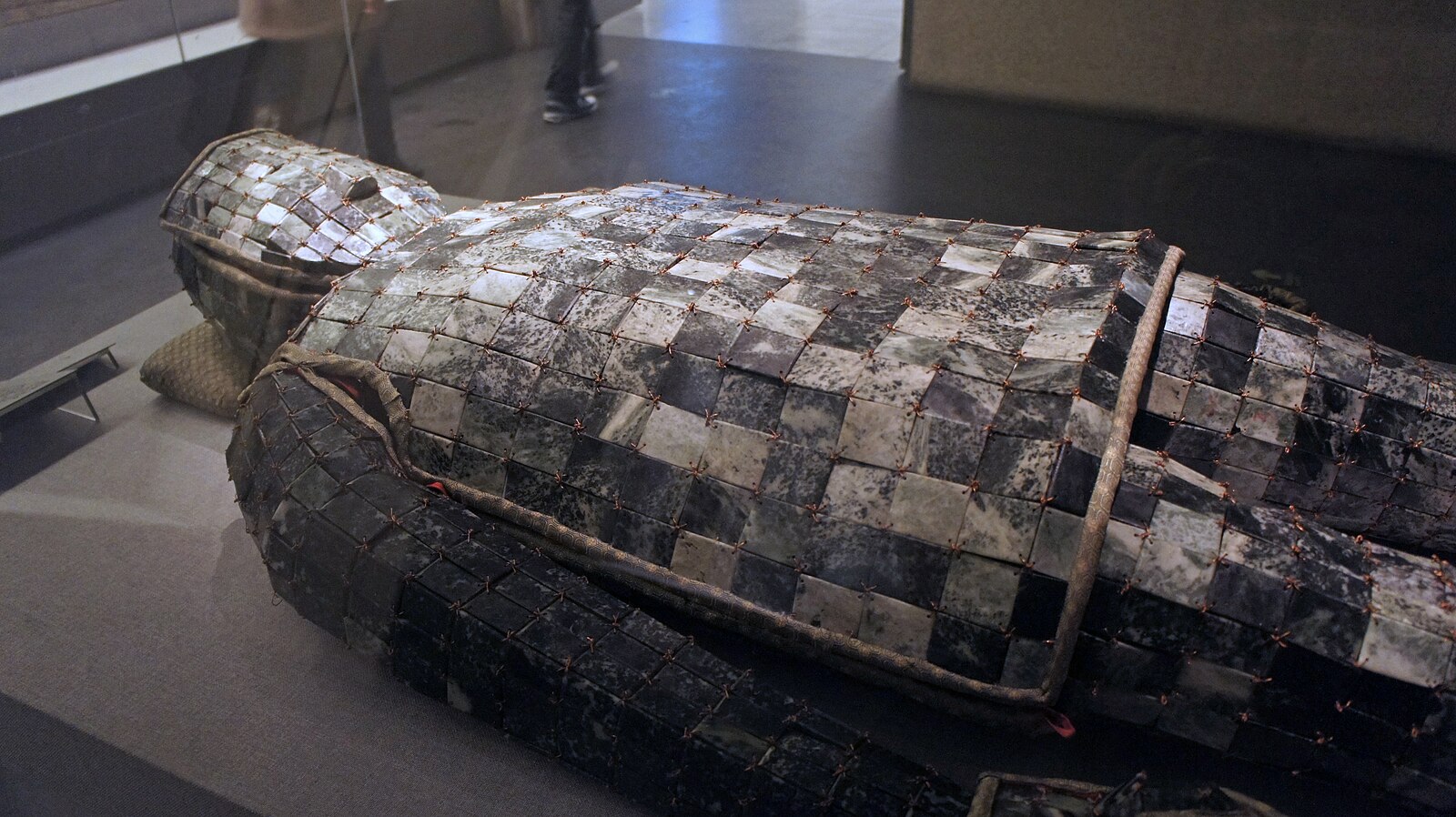
Jade
Jade Burial Suit of Prince Liu Sheng
An entire suit made of 2,498 jade tiles sewn together with 1,100 grams of gold wire — built to grant immortality to a Han prince.
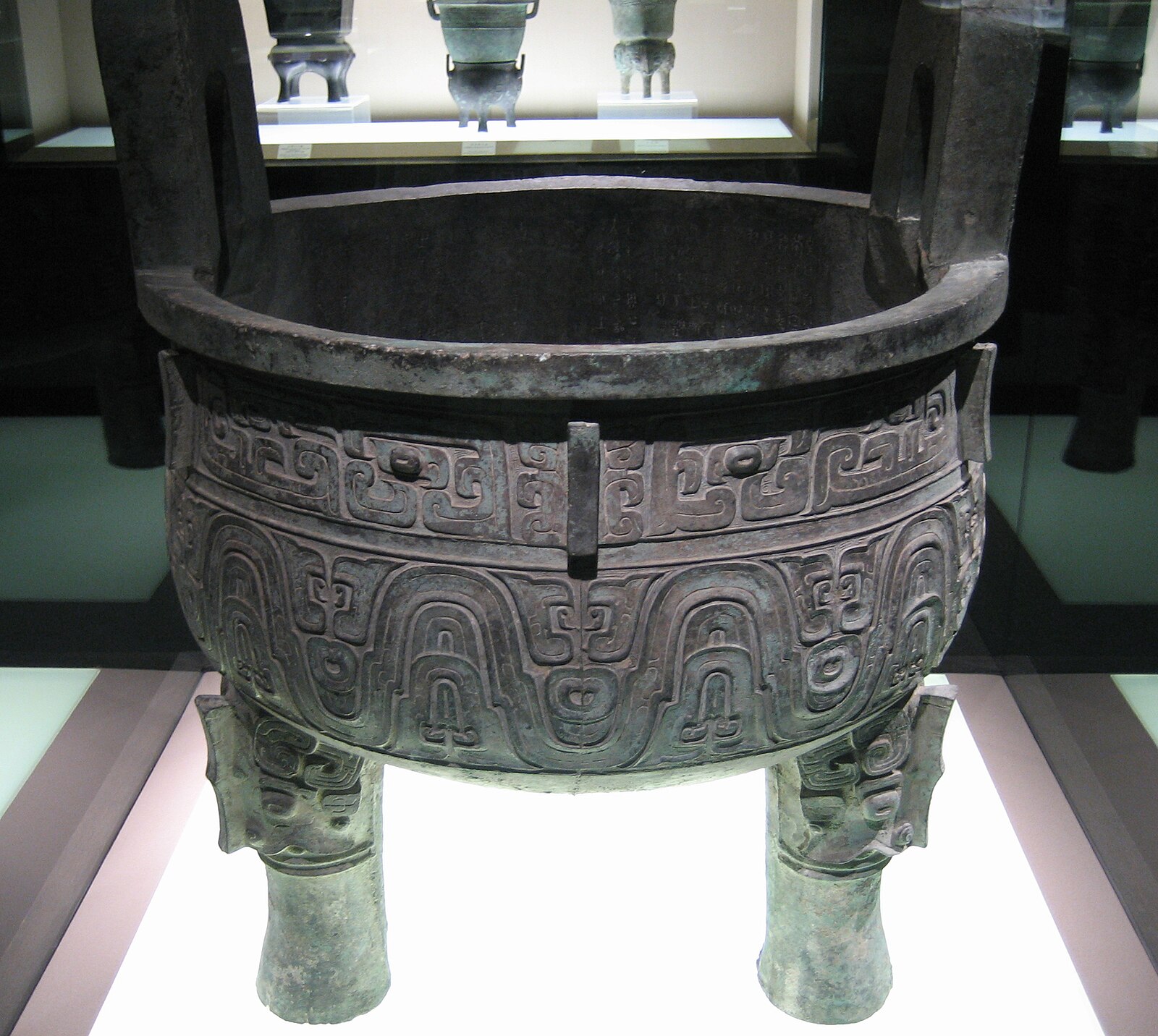
Bronze
Da Ke Ding (Large Ke Tripod)
One of the most important inscribed bronze vessels of the Western Zhou Dynasty, bearing 290 characters that document a key moment in Chinese feudal history.
Sources & References
- ·Wikipedia(CC-BY-SA 3.0)
- ·Palace Museum Official
Content informed by the sources above. Where Wikipedia text is used, it is licensed under CC-BY-SA 3.0.