Cultural Context
Filmed partly on location at the Forbidden City, the show is obsessively detailed in its use of real Qing Dynasty material culture — cloisonné enamel, jade ruyi scepters, blue-and-white porcelain, Qing-style furniture, and embroidered silk robes. Entire Weibo communities have sprung up to identify the real artifacts and imperial decor recreated in each scene. For international viewers, the show serves as an extended visual introduction to Qing imperial aesthetics — far more immersive than any museum label — and has been credited with driving a wave of interest in Forbidden City tourism and Chinese decorative arts.
Real Artifacts Behind the Work
3 direct connections to Chinese cultural heritage.

The Connection
Multiple scenes reference Song and later dynasty paintings in the Palace Museum collection, with court art scenes directly modeled on historical scroll compositions.
Read the full story →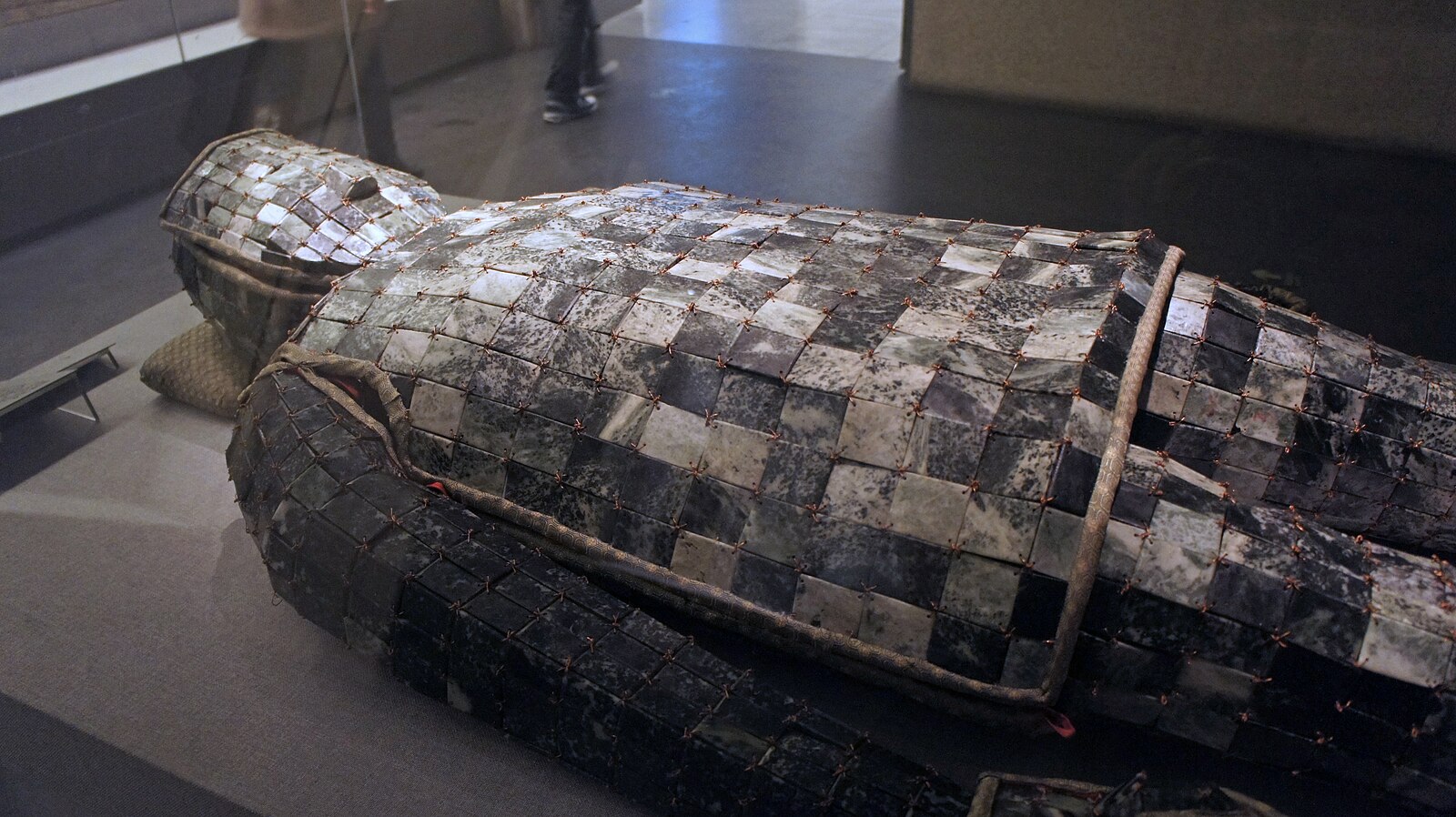
The Connection
The show's recurring emphasis on jade as spiritually protective — worn at funerals, given at births, exchanged at crises — echoes the Han Dynasty belief system that produced jade burial suits.
Read the full story →
The Connection
Blue-and-white porcelain appears as tableware, decor, and gift items throughout the series, consistent with the Qing imperial passion for Yuan and Ming porcelain.
Read the full story →Related Themes
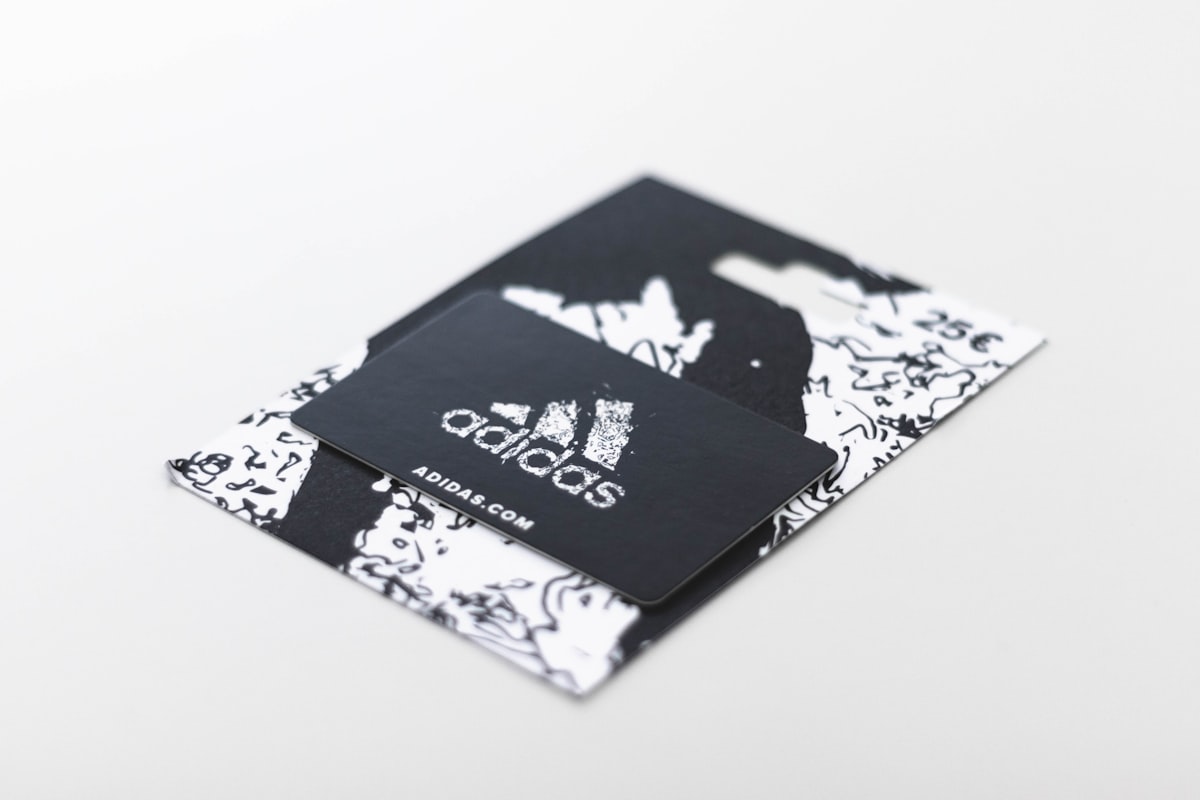
Jade and the Quest for Immortality
Why emperors were buried in stone suits sewn with gold
The Chinese believed jade could preserve the body, guide the soul, and command respect from heaven. These beliefs produced some of the most extraordinary funerary art in world history.
1 artifact →
Blue-and-White Porcelain Masterpieces
The ceramic tradition that conquered the world
Cobalt blue on white porcelain became the first truly global luxury good — from Yuan China to Ottoman palaces, Dutch still lifes, and Delft kilns.
1 artifact →
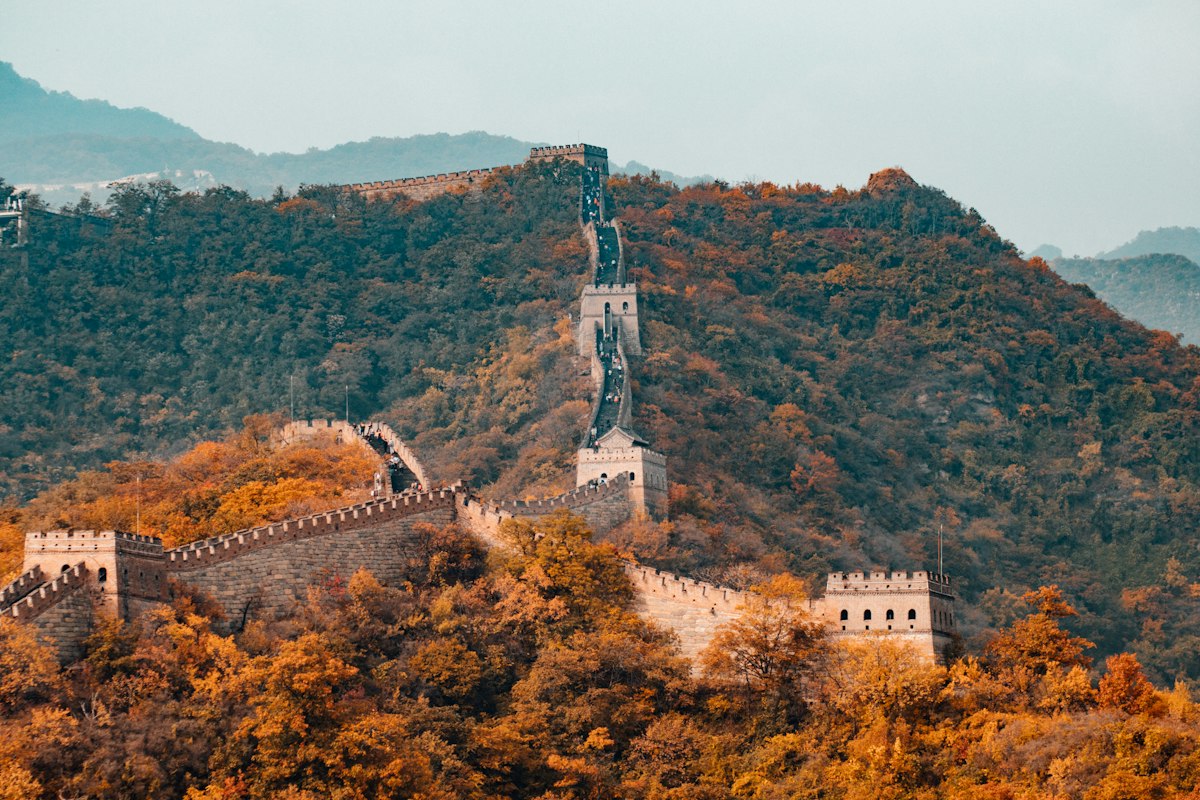
Imperial Power and Court Life
How objects made authority visible inside the palace
From bronze cauldrons and jade suits to porcelain vases and court paintings, imperial China turned objects into a language of rank, legitimacy, and ritual performance.
5 artifacts →
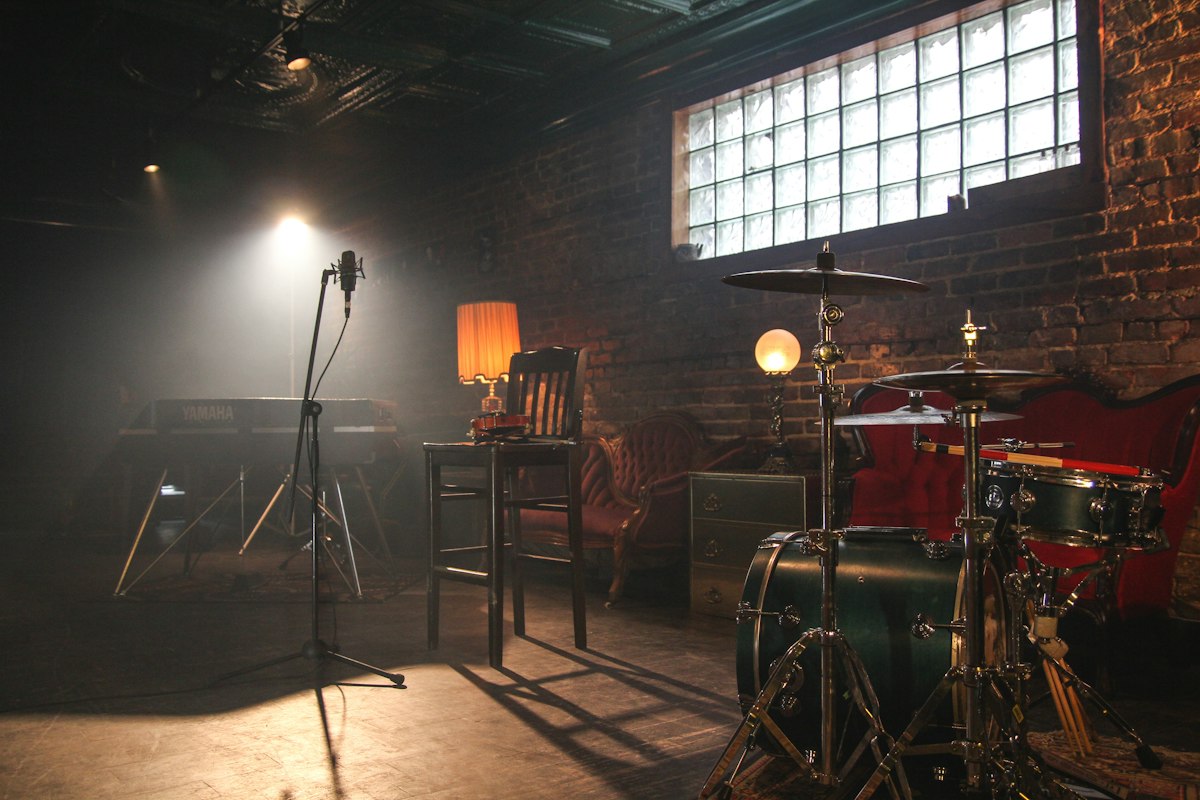
Music, Ritual, and Performance
Sound, ceremony, and spectacle from Bronze Age courts to Tang banquets
Ancient Chinese performance culture linked music, ritual, drinking, procession, and court display into a single sensory world preserved in bells, cups, paintings, and tomb goods.
4 artifacts →
Song City Life and Painting
Markets, bridges, scrolls, and the invention of urban China
The Song dynasty made everyday life worthy of monumental art. Its scrolls preserve streets, bridges, shops, boats, workers, and festival crowds with astonishing documentary density.
3 artifacts →
Frequently asked questions
What real Chinese artifacts inspired Empresses in the Palace?+
Empresses in the Palace draws on multiple real Chinese artifacts and traditions, most notably: Along the River During the Qingming Festival, Jade Burial Suit of Prince Liu Sheng, Blue-and-White Porcelain Plum Vase (Xiao He Chases Han Xin). Each is documented in a Chinese museum and many are visible to the public today. See the connections section above for specific scene-by-scene references.
Where can I see the artifacts that inspired Empresses in the Palace?+
The artifacts referenced by Empresses in the Palace are held by: The Palace Museum, National Museum of China, Nanjing Museum. Most have public galleries with regular visitor hours; a few have travelled to international exhibitions.
Who created Empresses in the Palace?+
Empresses in the Palace was developed by Ruyi Xinxin / Dragon TV and released in 2011. It is a tv series produced in China.
Is Empresses in the Palace historically accurate?+
Empresses in the Palace is a creative work, not a documentary. It draws inspiration from real Chinese material culture but adapts and dramatises freely. Our role at China Heritage is to identify which historical references the work is drawing on, with citations to museum primary sources, so curious viewers can separate the historical core from the creative invention.
Where can I learn more about Chinese material culture beyond Empresses in the Palace?+
Browse our Topics index for cross-museum themes (bronze ritual, jade and immortality, blue-and-white porcelain) and our Treasures Abroad index for the 28 great Chinese masterpieces in Western museum collections. Each theme links back to specific artifacts you can read about in detail.