The Story
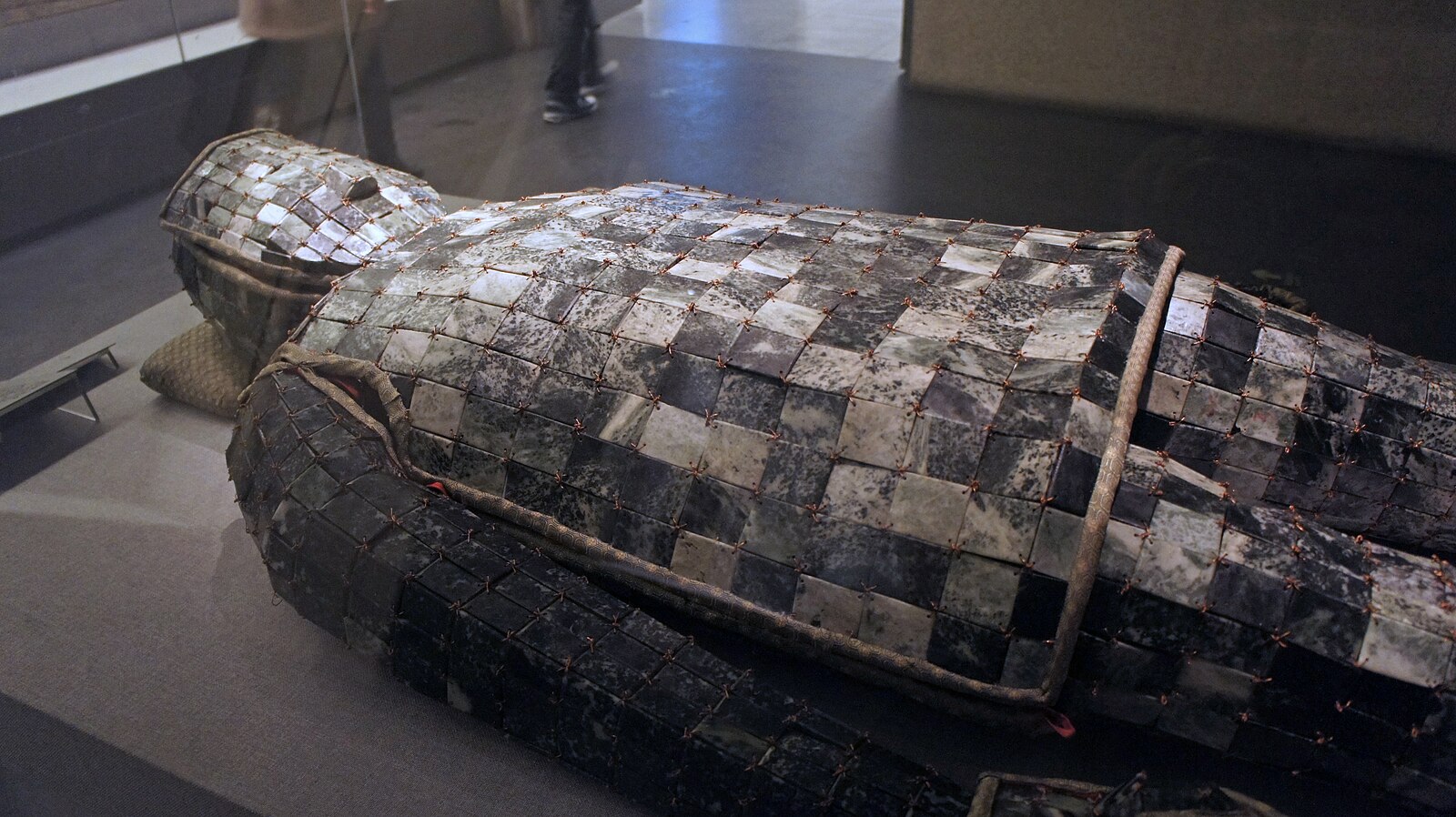
For more than 5,000 years, jade has been the most spiritually charged material in Chinese culture — valued above gold, above diamonds, above any gemstone the rest of the world prized. It was the stone of kings, ritual, and the afterlife. Han Dynasty princes were buried in full-body suits of jade tiles sewn with gold wire, in the belief that the stone's spiritual power would preserve their bodies for rebirth. The suits did not work as intended — no body survived — but they remain among the most astonishing expressions of belief ever committed to physical form. This theme explores the Chinese obsession with jade: its religious meaning, its technical challenges, and its transformation from a Neolithic ritual stone into a symbol of imperial eternity.
Artifacts in This Theme
In Popular Culture
Frequently Asked
What is the "Jade and the Quest for Immortality" theme about?
The Chinese believed jade could preserve the body, guide the soul, and command respect from heaven. These beliefs produced some of the most extraordinary funerary art in world history.
Which artifacts are part of "Jade and the Quest for Immortality"?
This theme groups 1 artifact, including Jade Burial Suit of Prince Liu Sheng. Each entry on this page links to the artifact's full record with provenance, dating, and museum source.
Where can I see the artifacts in this theme in person?
The pieces in this theme are currently held by National Museum of China. Some institutions rotate their displays, so we recommend checking the museum's website before visiting.
Is this theme based on academic sources?
Yes — every claim links to a primary or scholarly source, including Wikipedia — Jade burial suit. The full list of references is shown in the sidebar of this page.
Why is "Jade Burial Suit of Prince Liu Sheng" considered iconic for this theme?
An entire suit made of 2,498 jade tiles sewn together with 1,100 grams of gold wire — built to grant immortality to a Han prince.